










































What is turmeric?
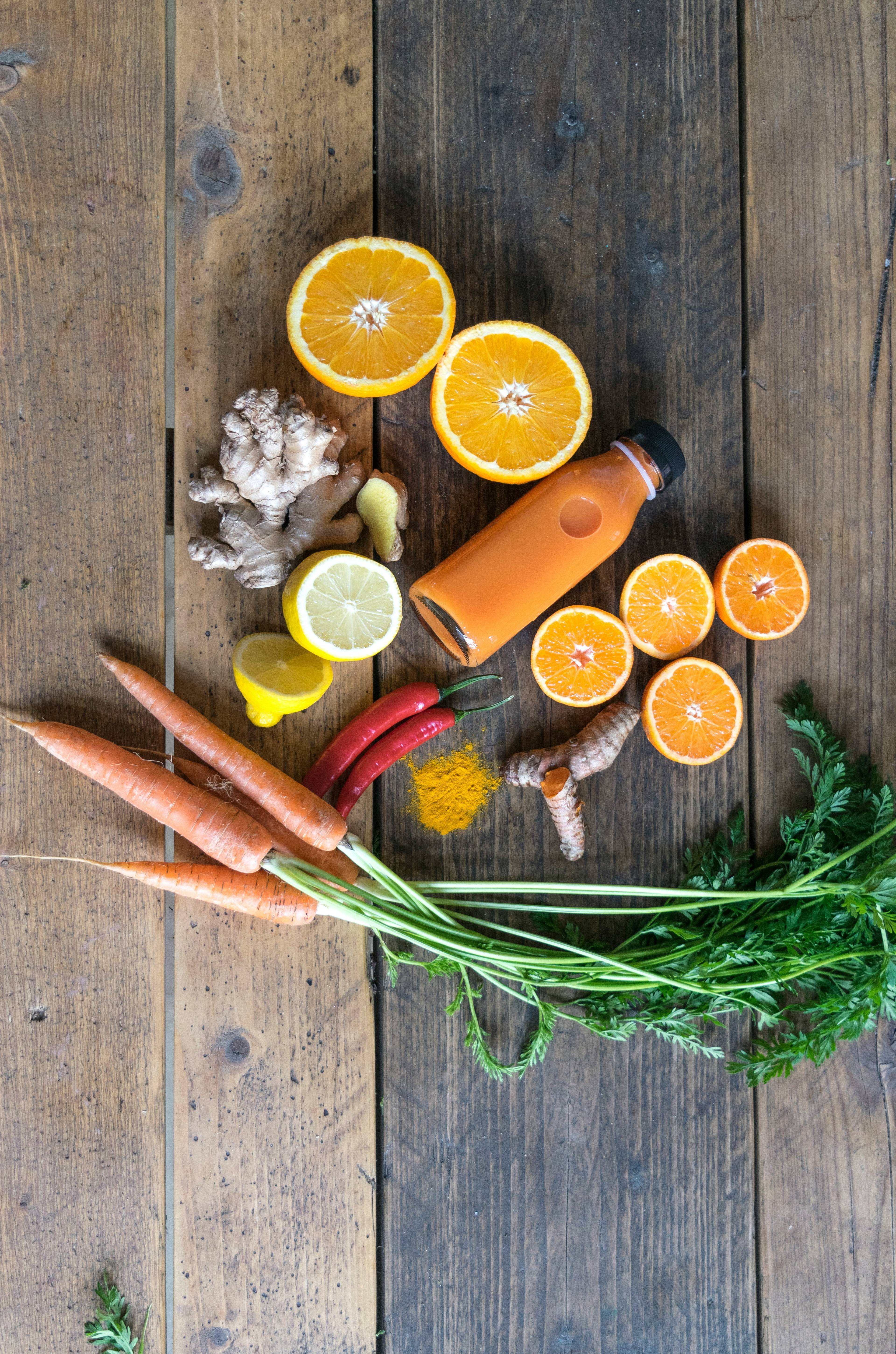
Turmeric spice is the rhizome of a flowering plant. It looks a little like a fresh ginger stem but smaller. It is also known as haldi and kurkuma — if you see it referred to this way, then there is no difference, and you can use it in just the same ways when cooking at home.
Turmeric has an active compound called curcumin, which occurs naturally in it. This compound is known to provide various benefits that range from anti-inflammatory properties to antioxidant effects on the body. Consequently, it is considered to have medicinal properties in parts of Asia. Cooking with it can help boost the immune system as part of a well-balanced diet.
How to cook with turmeric
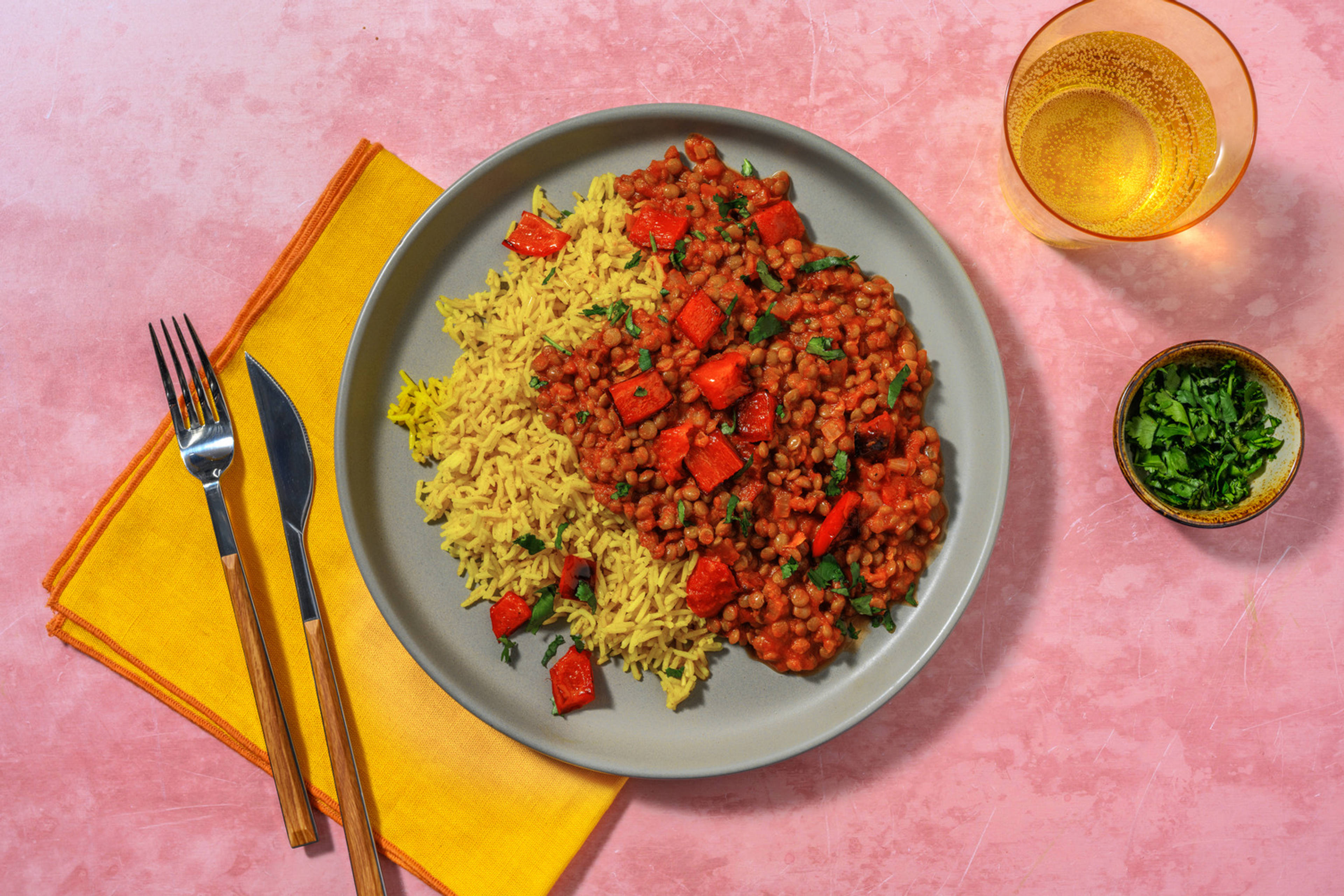
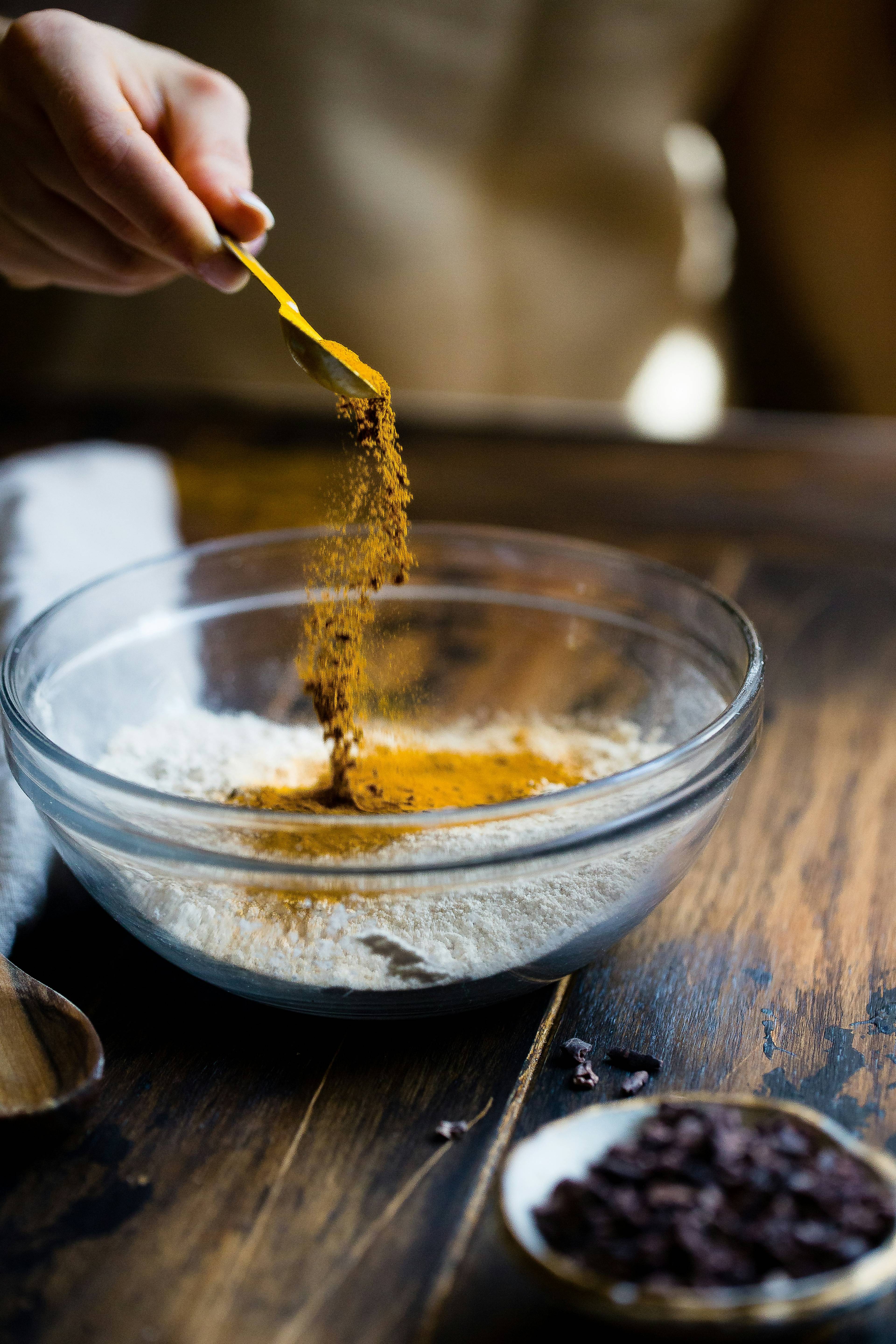
The simplest way to get more turmeric into home cooking is to buy some ground. This spice is readily available in most supermarkets, or you can obtain it from specialist sellers. Because it has an earthy, almost bitter flavour, it is best to add it to dishes early on. However, ground turmeric seasoning can burn if added directly to hot oil. For a curry or similar dish, fry an onion, lower the heat, then add the turmeric after the pan has cooled somewhat. Alternatively, add it after you have put in wet ingredients, such as canned tomatoes or vegetable stock.
If you intend to cook with fresh turmeric, then note that peeling is advisable since the skin, although nutritious, is bitter and hard to digest. Since it stains, peel it with gloves on, or you may find that you end up with yellowing fingers. Fresh turmeric is less susceptible to burning than ground spice.
Once you have used turmeric in a few dishes, you will soon learn how much to add without overpowering the other flavours. It is a great ingredient to include in any vegetarian meal plan for the tasty earthiness it offers. Note, however, that ground turmeric spice may lose its flavour intensity over time, so add more as it ages.