











Thyme Recipes

Both fresh thyme and dried thyme can add a certain depth of flavour to many dishes. Widely used in different cuisines, including traditional Irish recipes, learn how to cook with it properly.

Get inspired

How to use thyme in your cooking with these great recipe ideas

How to use thyme in your cooking with these great recipe ideas

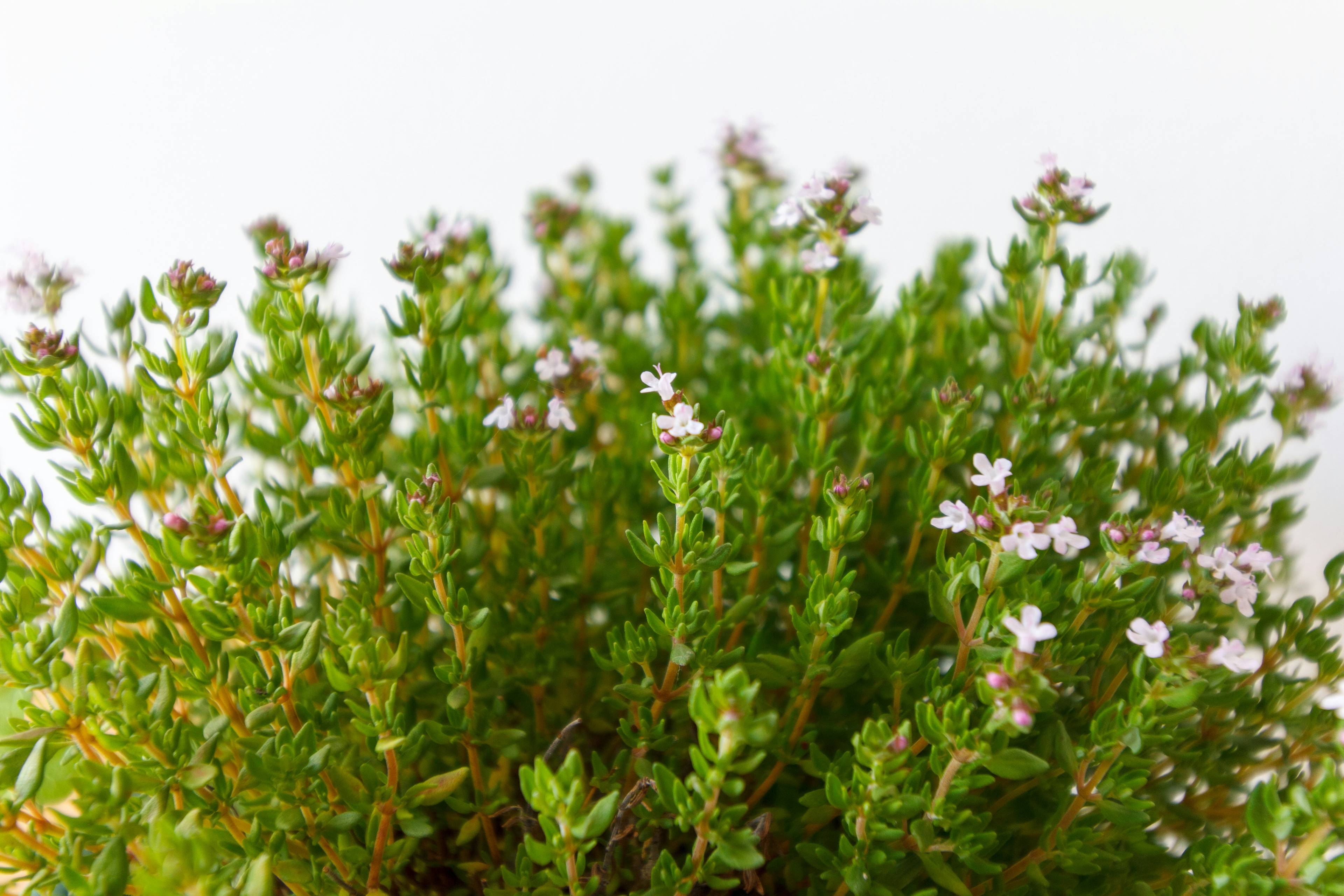
When it comes to fresh thyme vs dried thyme, there is not much difference if you are cooking. The aromatics of wild thyme, creeping thyme or any other fresh thyme you might use will become spent when drying them. The same happens when you cook fresh thyme leaves, including wild mountain thyme. So, either way, you’ll end up with very similar results, whether you add fresh leaves or dried thyme to the dish.

This is not the case if you use fresh thyme as a raw garnish, however. You will retain all of the aromatics until they’re consumed with fresh, uncooked thyme. Of course, you can also use dried thyme as a garnish, but you should do so sparingly because it tends to be tough.
Step-by-step guide to drying fresh thyme

Step-by-step guide to drying fresh thyme

You can dry fresh thyme with several methods, as outlined below:

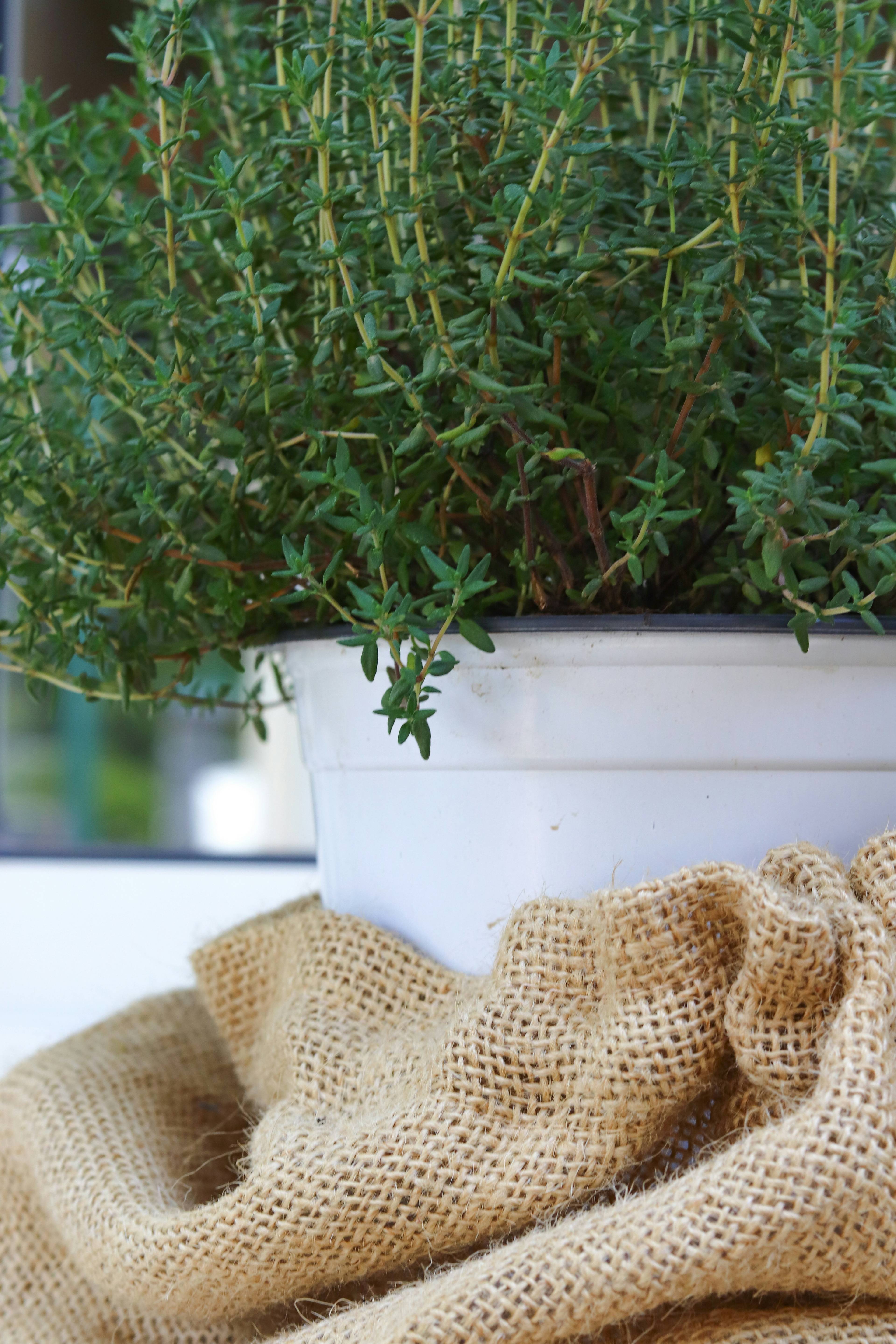
Air dry it - Hang fresh thyme sprigs in a bunch upside down, close to a window where they’ll be exposed to sunlight. After a month or two, remove the leaves from the sprigs and store them in an airtight container, such as an old jam jar.

Oven dry it - If you want to speed the drying process up, simply place the fresh thyme on a dry baking tray and heat it at 120°C for an hour or two. Once brittle, you can store it as though you had air-dried it.

Microwave it - Drying thyme in a microwave saves both time and energy. Put it into a suitable dish and expose it to full power for between 5 and 10 minutes. Allow it to cool before removing the leaves from the sprigs to store them.

Popular thyme-based recipes to cook

Popular thyme-based recipes to cook

Because thyme is such a popular herb, you will find it in numerous Irish dishes, such as those suitable for St Patrick’s Day, for example. That said, the herb is also widely used in Mediterranean cuisine, and some of the most popular dishes that include thyme are worth experimenting with. Here are two great examples:

Creamy Beef and Mushroom Linguine - This wonderful Italian-inspired dish with thyme tastes great. Even better, it is quick and easy to prepare, so it’s a good one for novices.

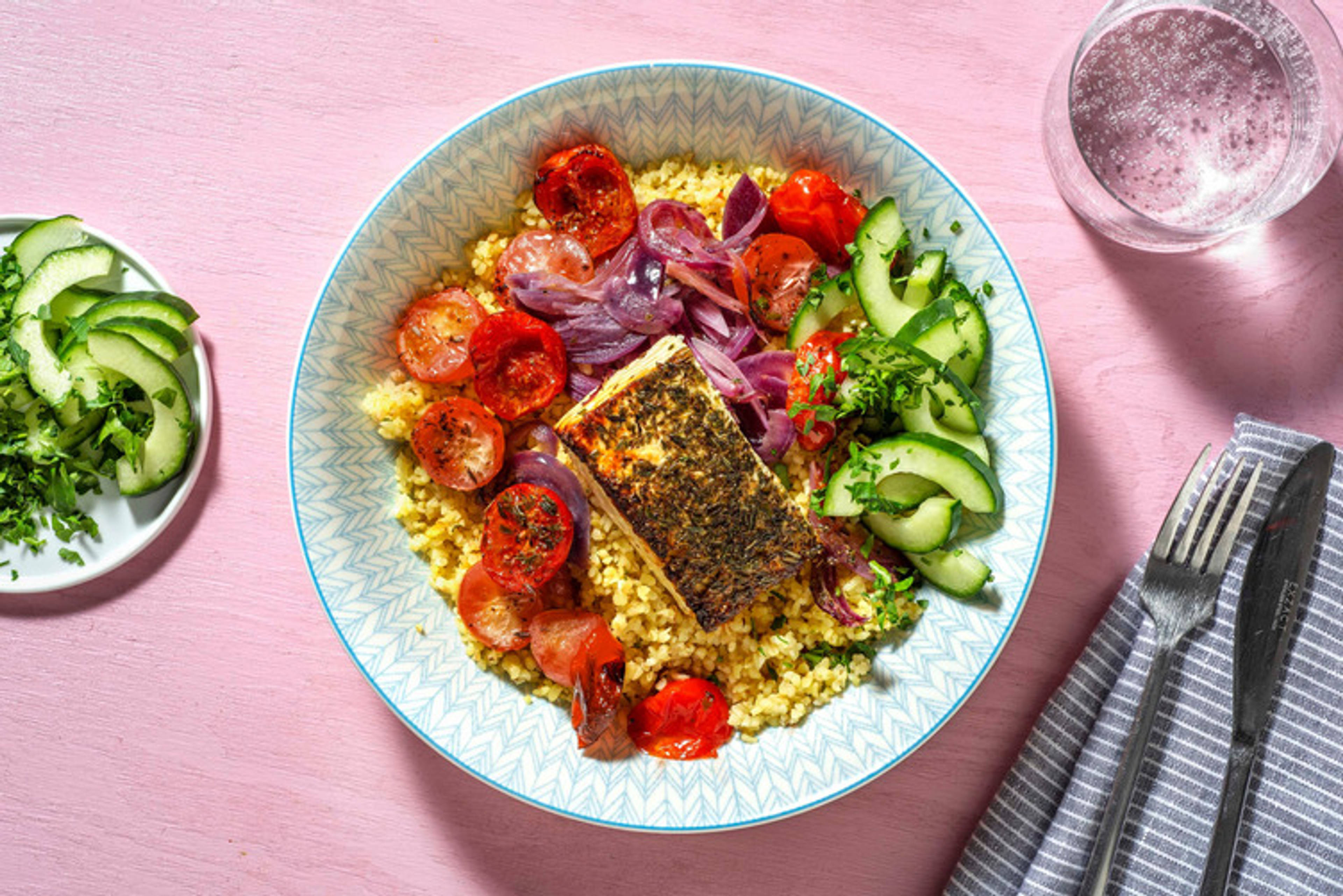
Baked Greek Style Cheese - This Eastern Mediterranean recipe with dried thyme can be reworked straightforwardly with fresh thyme, so you can prepare it either way.

How to Grow, Cut and Store Thyme

How to Grow, Cut and Store Thyme

If you are following a quick recipe that calls for thyme, then having some stored and ready to go will be handy. Here’s what you need to do to grow, cut and store it for use at any moment.

Growing thyme - Thyme grows well indoors or outside. If you opt for a spot in the garden, then choose a well-draining spot since the Irish weather can cause problems if the roots become waterlogged. Use plenty of grit indoors, and place fresh thyme on a south-facing window for plenty of sunlight. Don’t overwater since thyme is tough and likes to be parched from time to time.

Cutting thyme - Don’t pick individual thyme leaves from the plant. Instead, use a pair of scissors to remove entire sprigs. After this, remove the leaves by hand from their stems and use them immediately in the dish or store them.

Storing thyme - To freeze thyme, put whole sprigs with the leaves still attached into a sealable bag. Expel as much air as you can before freezing, which will help to preserve flavour and freshness when defrosted. Alternatively, use one of the drying techniques referred to above. If so, only store the leaves, not the woody stems. Keep dried thyme in an airtight container in the dark.

Enjoy hassle-free home-cooked meals with HelloFresh

Enjoy hassle-free home-cooked meals with HelloFresh

Order today and get 50% off your first box, 20% off your next four, and free Peugeot Mills!

Order HelloFresh