




Sage Recipes

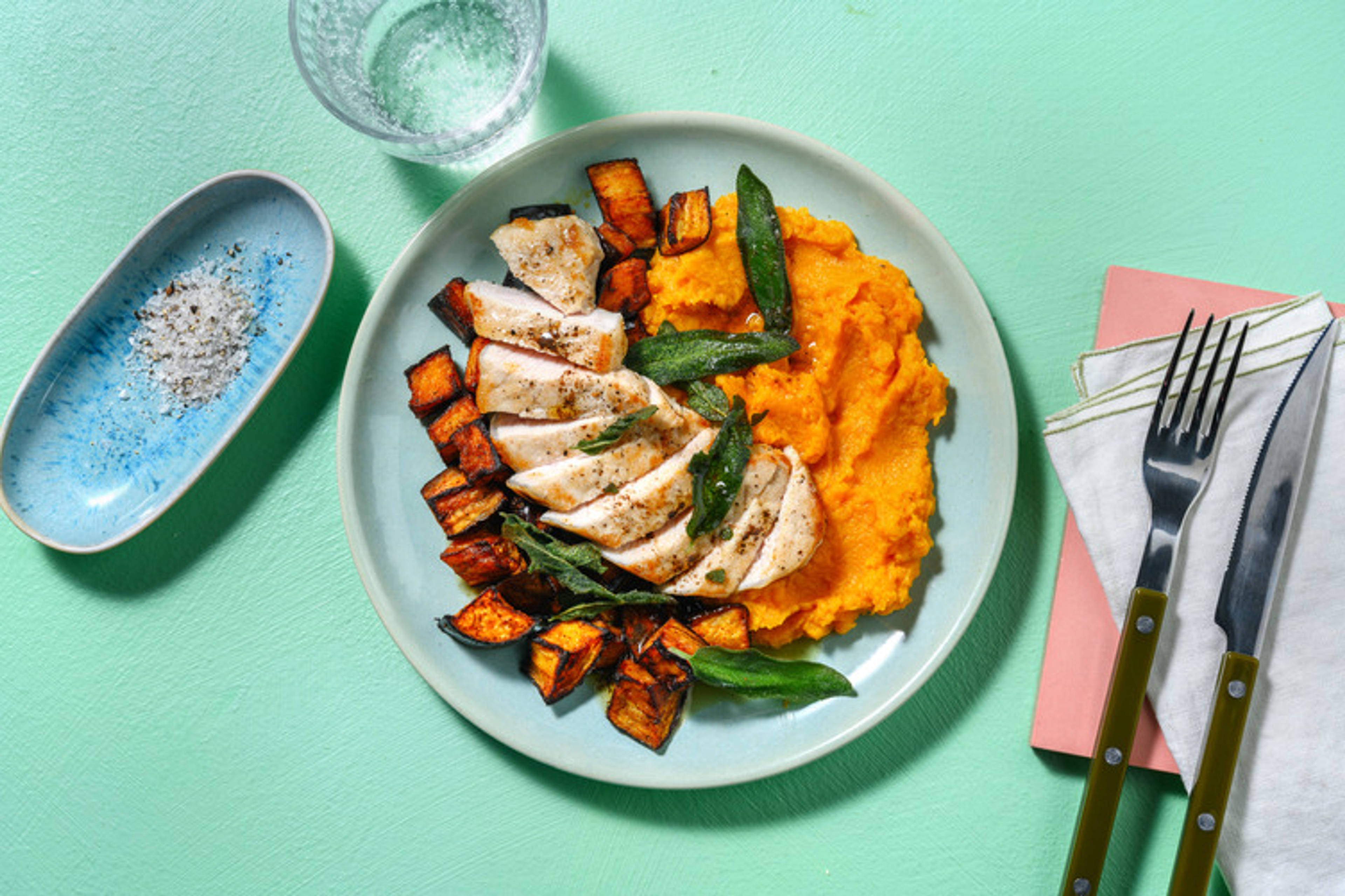
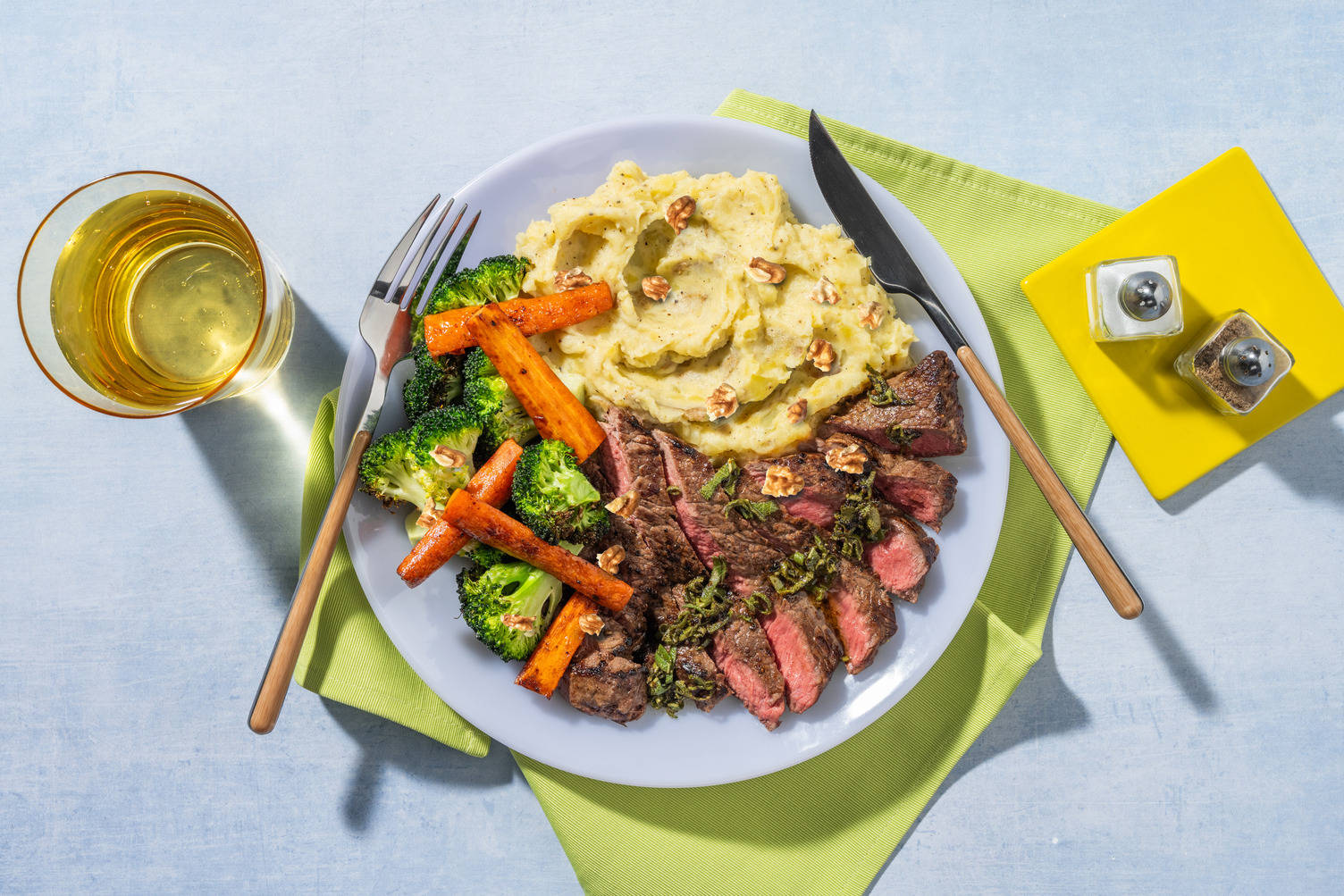
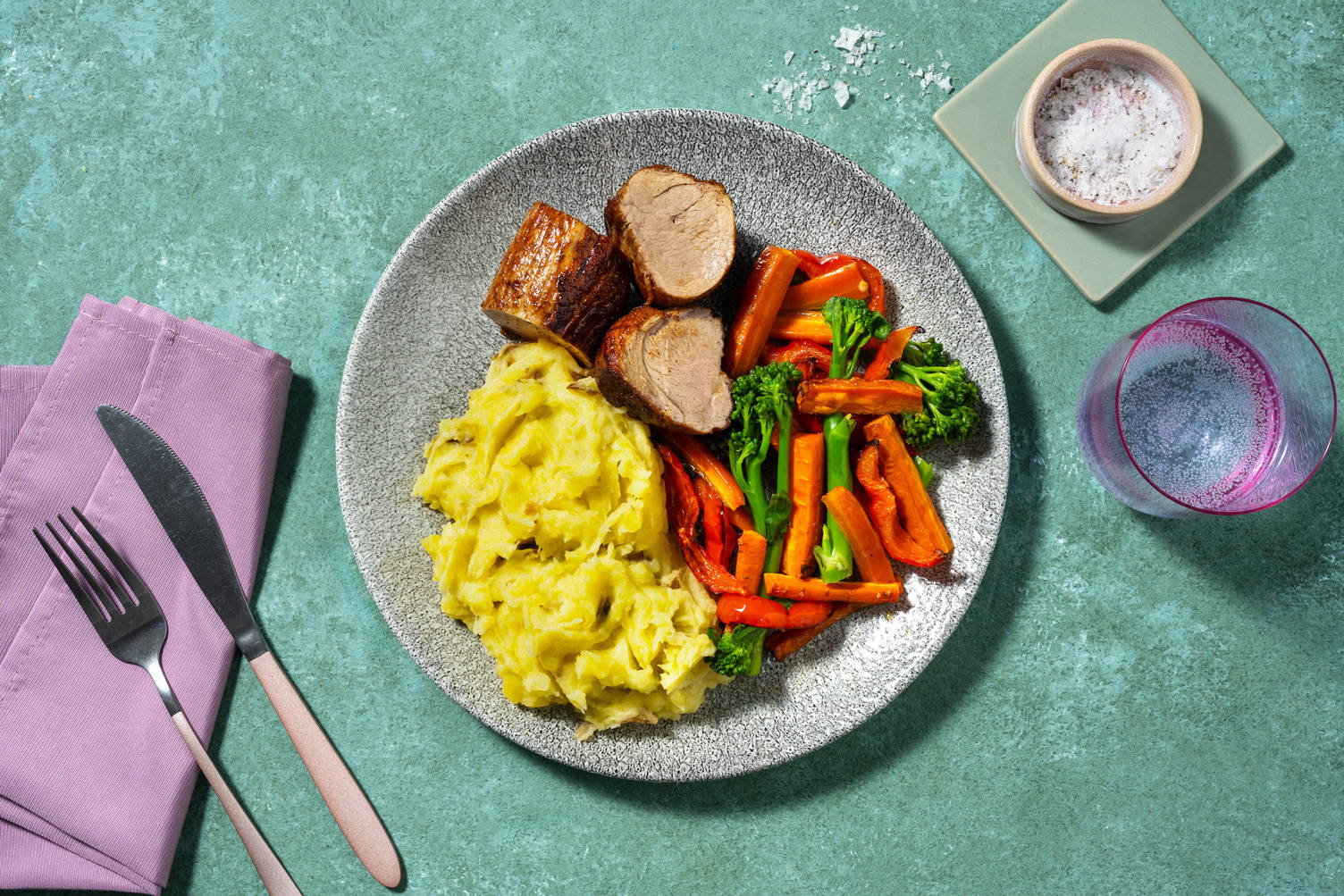
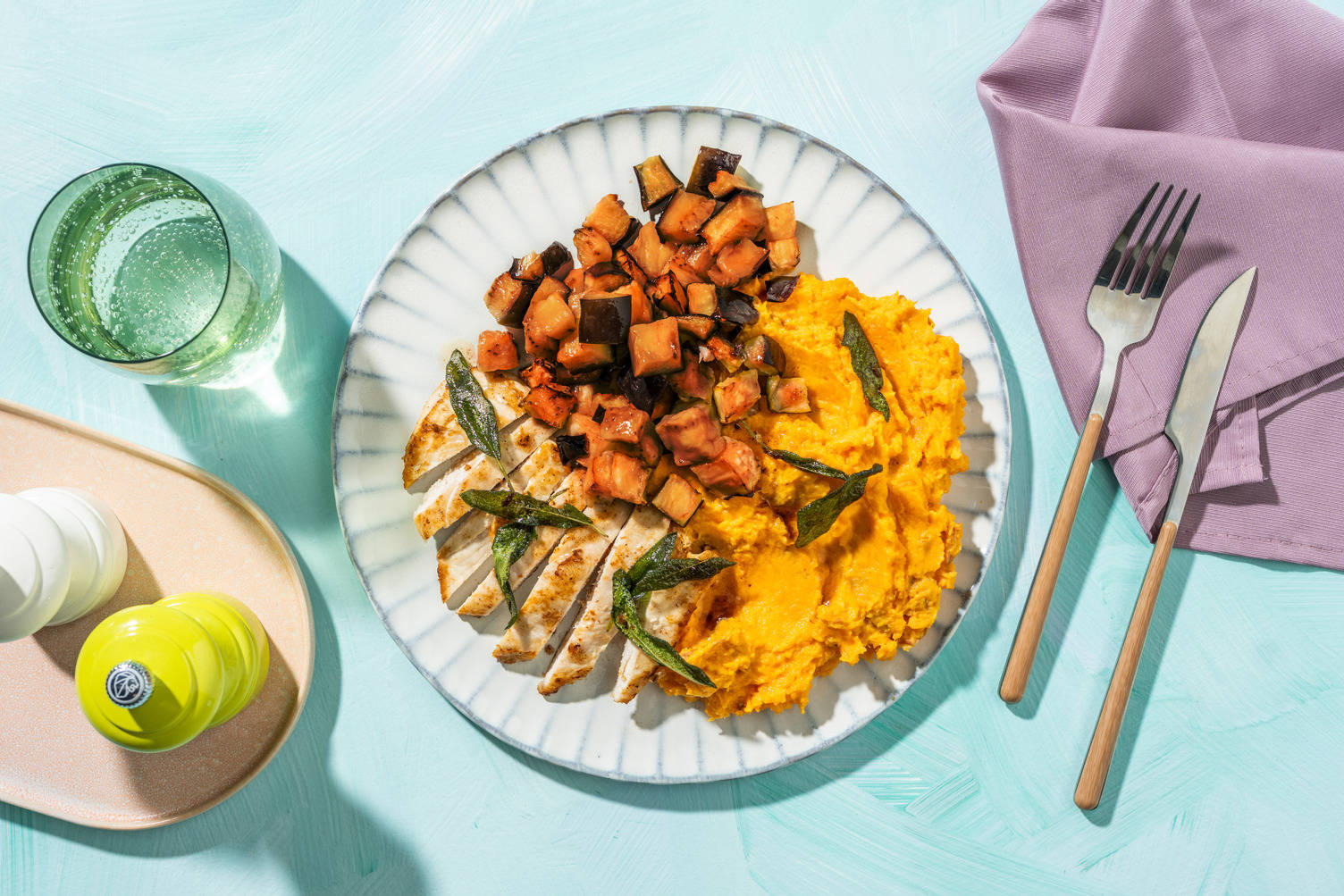
From sage stuffing recipes to culinary sage spice uses, you’ll find a wealth of knowledge with HelloFresh. Read on to find out more about this delicious herb and discover whether sage herbs could benefit you.

Get inspired

Different Ways to Cook With Sage

Different Ways to Cook With Sage

Sage is versatile, but it should be used in moderation. Otherwise, it can overpower more delicate flavours. Here’s what you need to know:

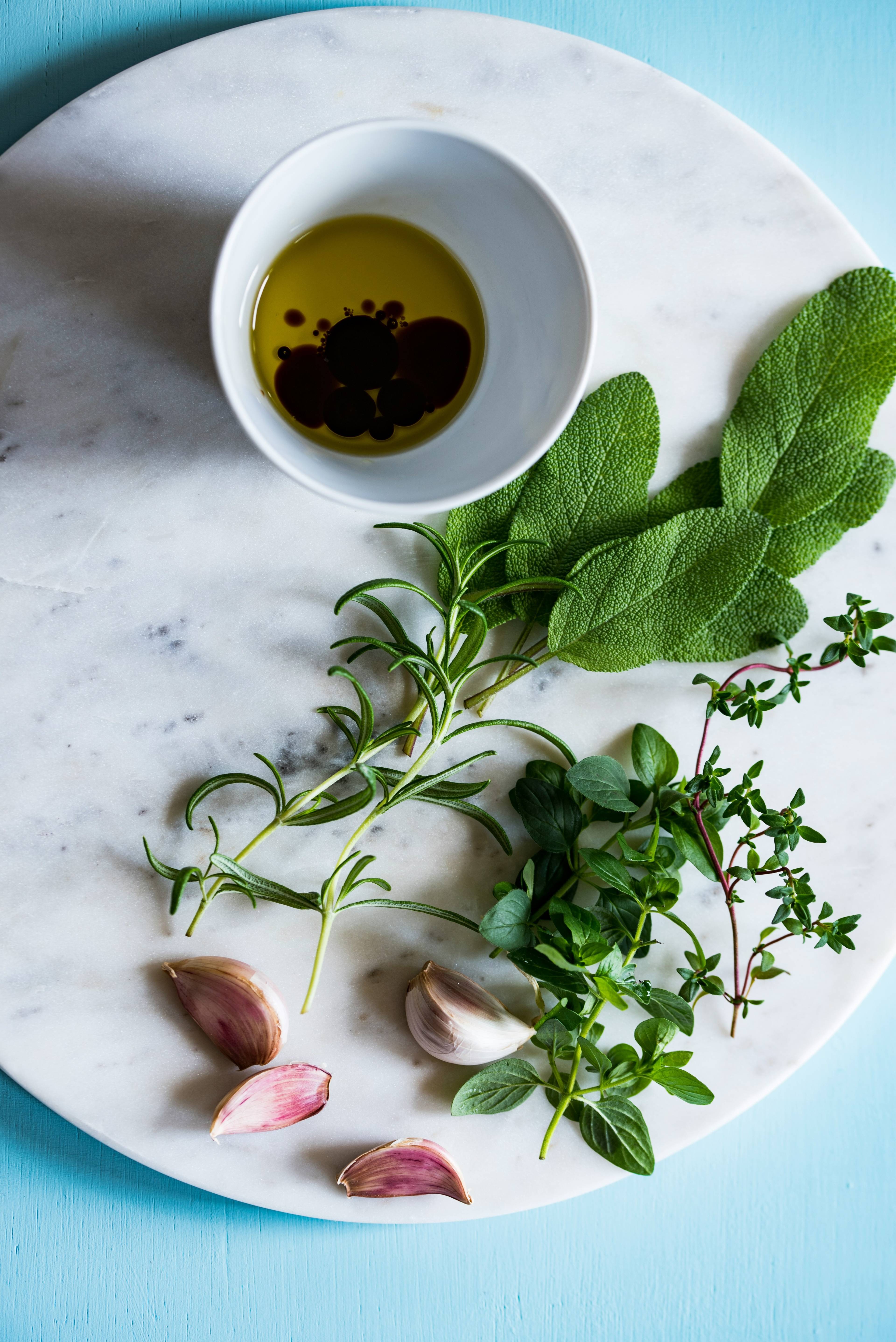
Sage vs Mint: Sage and mint can be used together, but they tend to cause clashes. It is best to choose one or the other. That said, sage tastes great with parsley, rosemary and oregano.

Make an Enfusion: Sage tea is good for you. It contains antioxidants and anti-inflammatory compounds. Some who believe in sage herb’s spiritual benefits will drink at least one cup a day. Just boil the kettle and throw a few leaves into your mug to make it.

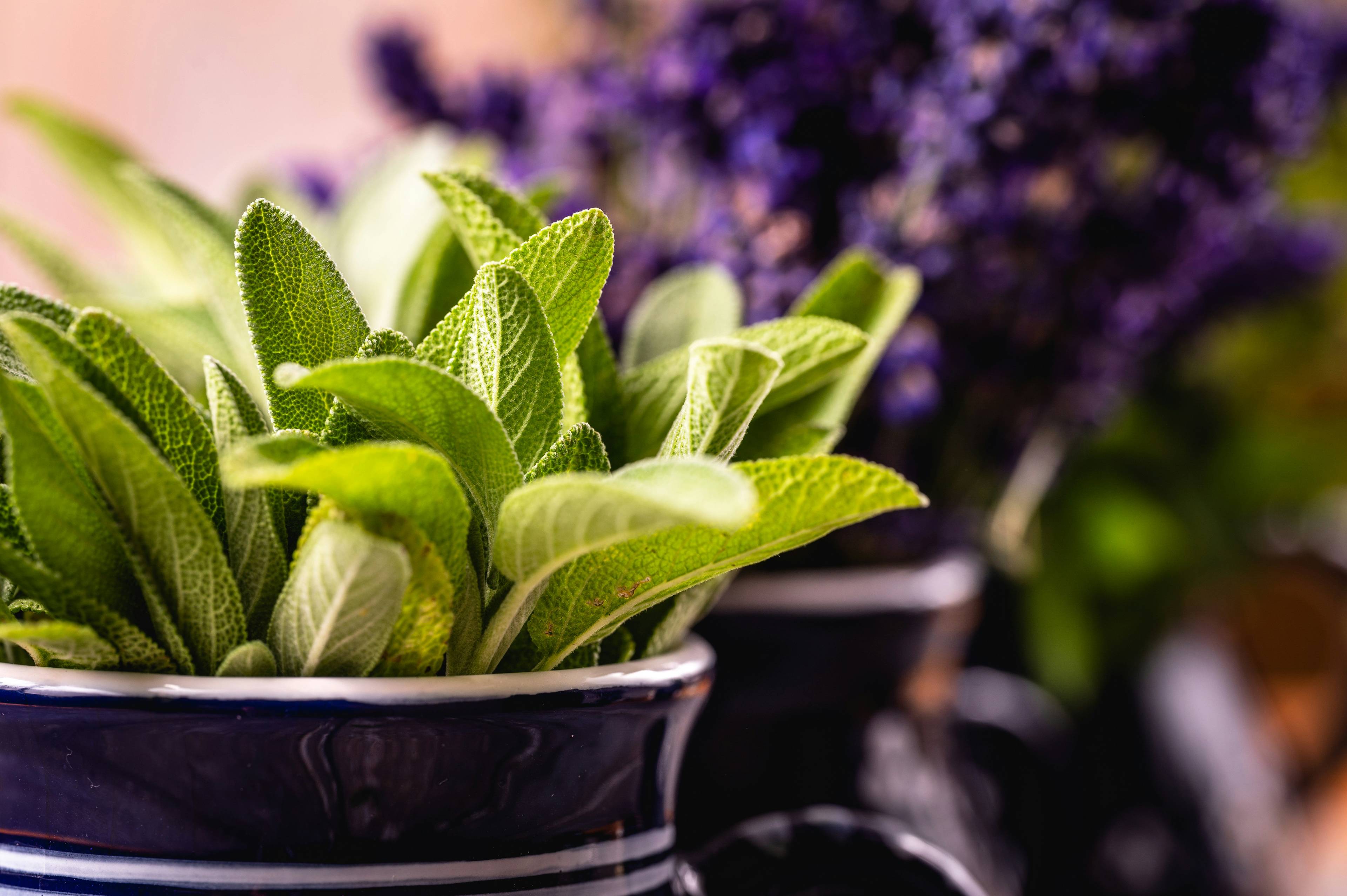
Dry Sage Before Cooking It: If you buy common sage from the supermarket, then it isn’t so important, but garden sage can taste particularly woody. To avoid this, pick a stem and discard the largest few leaves at the bottom. Keep the younger, riper ones at the top. Pick them off, then dry them in the sun before cooking with them.

Add Sage to Gravy: Homemade gravy that is made from the dripping of a meat joint, mixed with flour and water, often tastes better with a pungent herb, and there is no finer option than sage for this job. For the same reason, you can add sage to casseroles and stews with much the same effect.
International Cuisine and Sage Herb

International Cuisine and Sage Herb

There are plenty of uses of sage in traditional Irish cooking. For example, the herb is often used in the production of sage and onion stuffing, a traditional foodstuff that is eaten all over the country for Sunday lunch. It is especially popular on special occasions, when guests may be around to share a roast chicken or turkey together, such as at Christmas. Nevertheless, sage spices and herbs are also commonly used to add extra flavour to dishes from around the world.

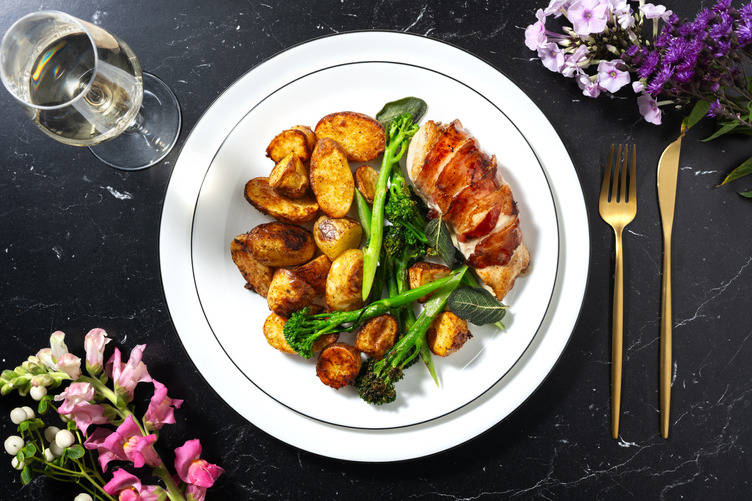
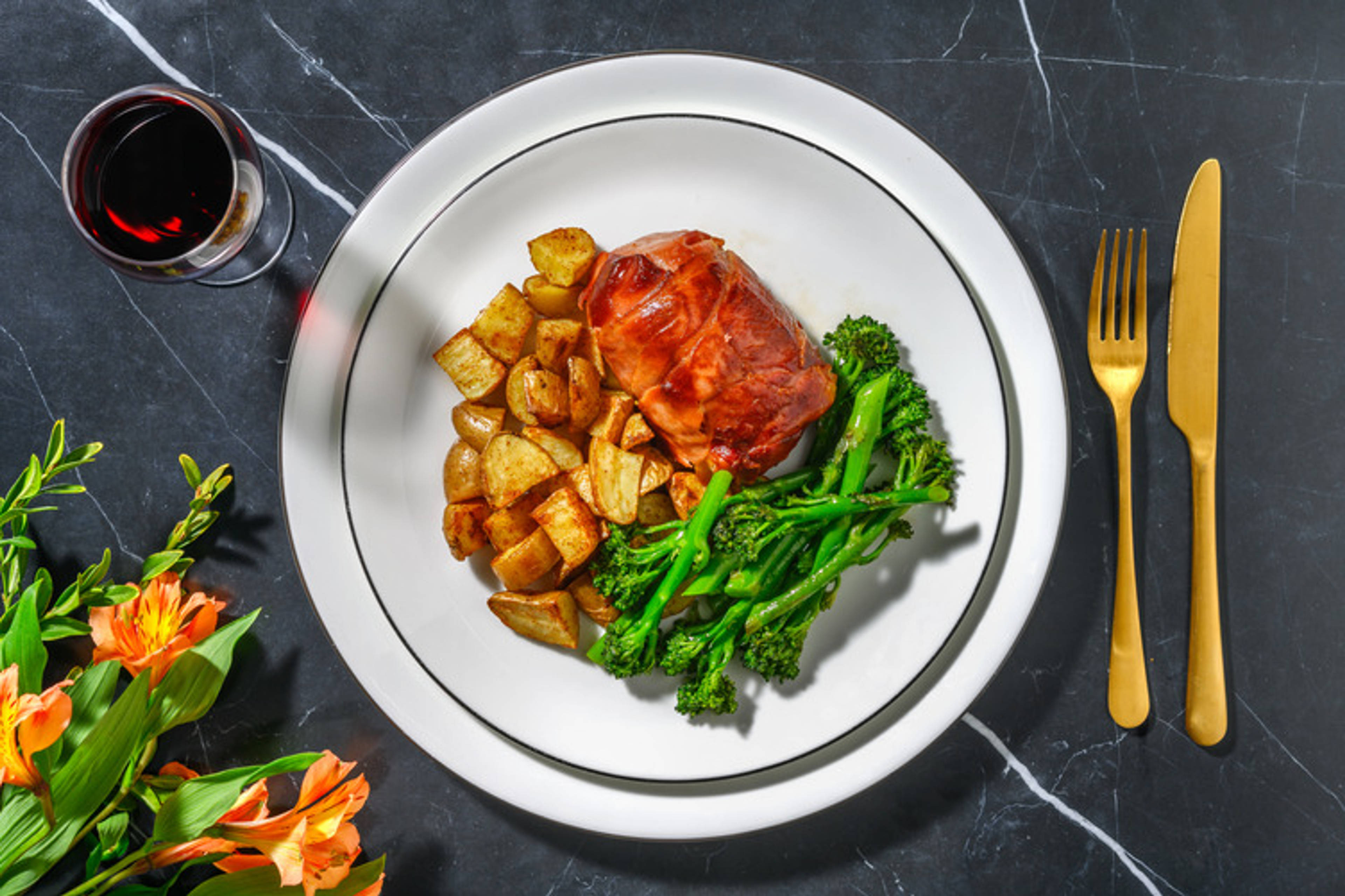
Sage in Italian cuisine: The word we use for this herb, sage, has its roots in Latin. It is hardly surprising to hear that Italians have been using sage in their cuisine for many centuries. Today, you will typically find it added to pasta dishes alongside other Mediterranean herbs, such as oregano and basil. Usually, Italians pick and dry their sage leaves before adding them to their flavoursome pasta sauces. The use of sage can be very regional, but it tends to be used in lower quantities than other herbs due to its strong flavour. This is the case in a non-pasta dish like Serrano Wrapped Chicken in Sage Butter. In this sage-inspired Italian recipe, it is used sparingly to baste the meat, offering an attractive look as well as depth of flavour.

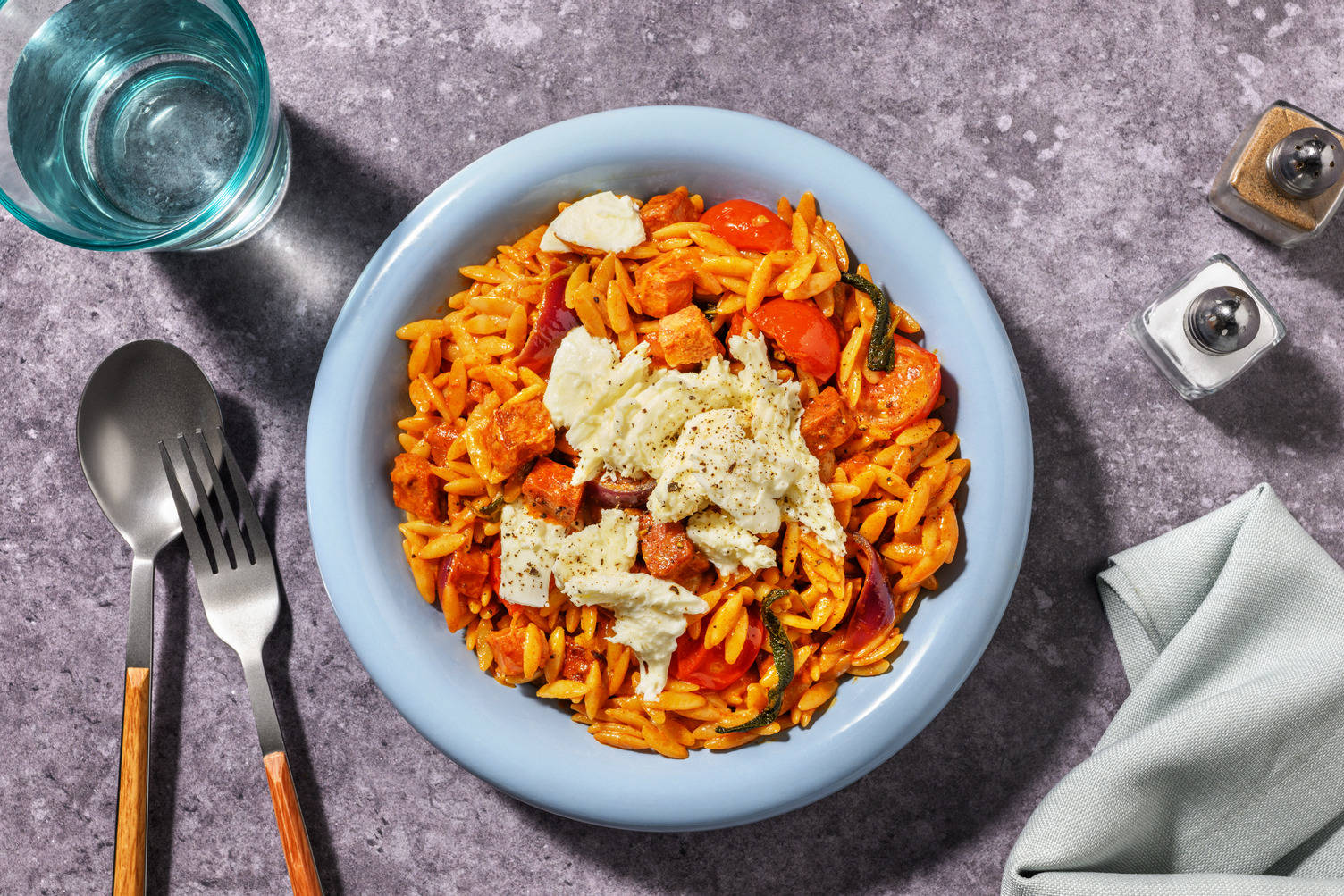
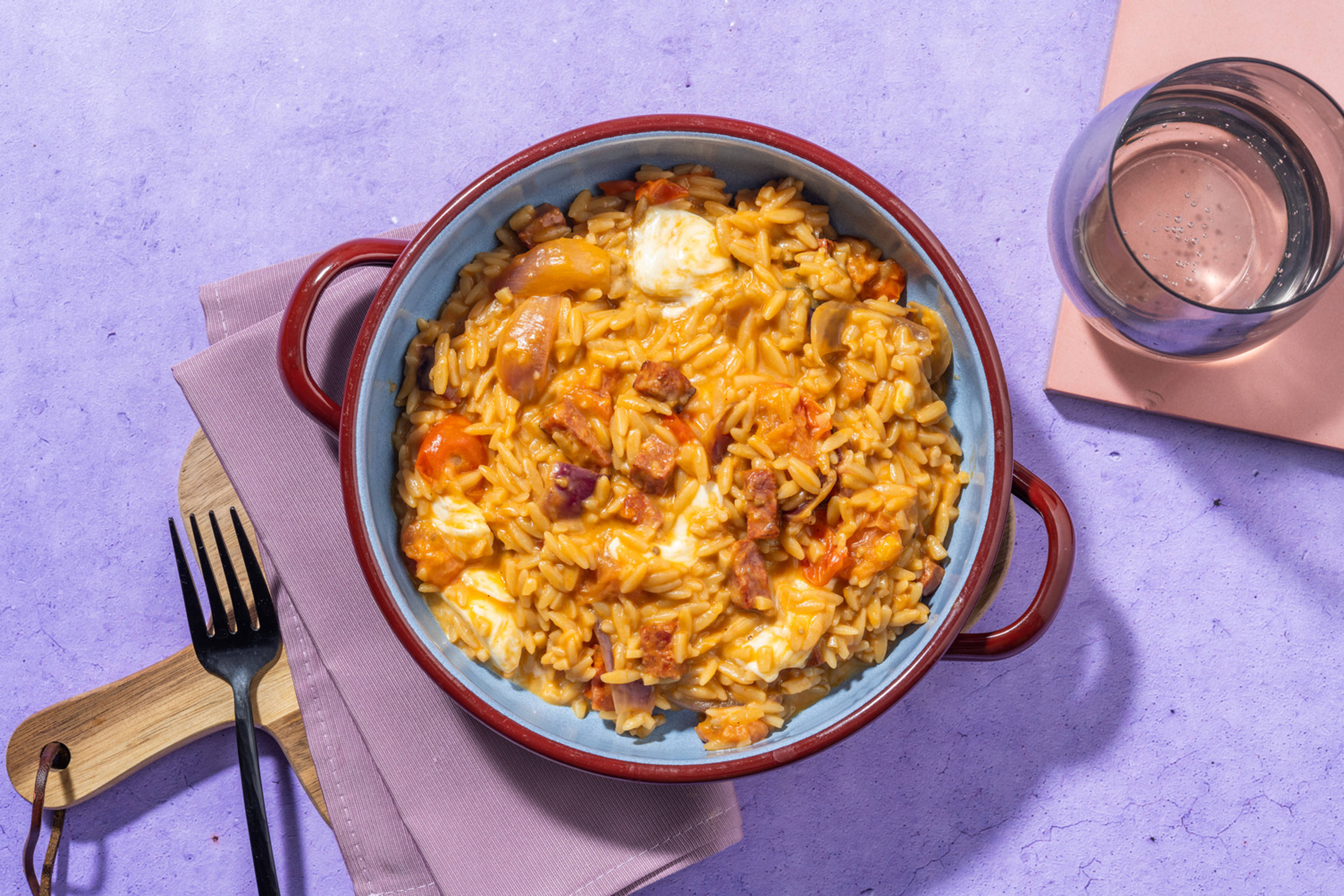
Sage in Spanish cuisine: Sage is widely used in Spanish and Mexican cuisine. When it is added to tomato dishes, sage tends to be roughly chopped and added towards the end of the cooking process so that it provides a strong but noticeable flavour. It can be used in dishes like fajitas and beef chillies, but it is also often added to stews. A good example of a Spanish recipe that makes use of sage is One-Pot Chorizo and Mozzarella Orzo, an ideal recipe for one or a couple.

Enjoy hassle-free home-cooked meals with HelloFresh

Enjoy hassle-free home-cooked meals with HelloFresh

Get 50% Off Your First Box | Plus Free Extras for 3 Months

Order HelloFresh