

















Dried Rosemary vs Fresh Rosemary in Cooking
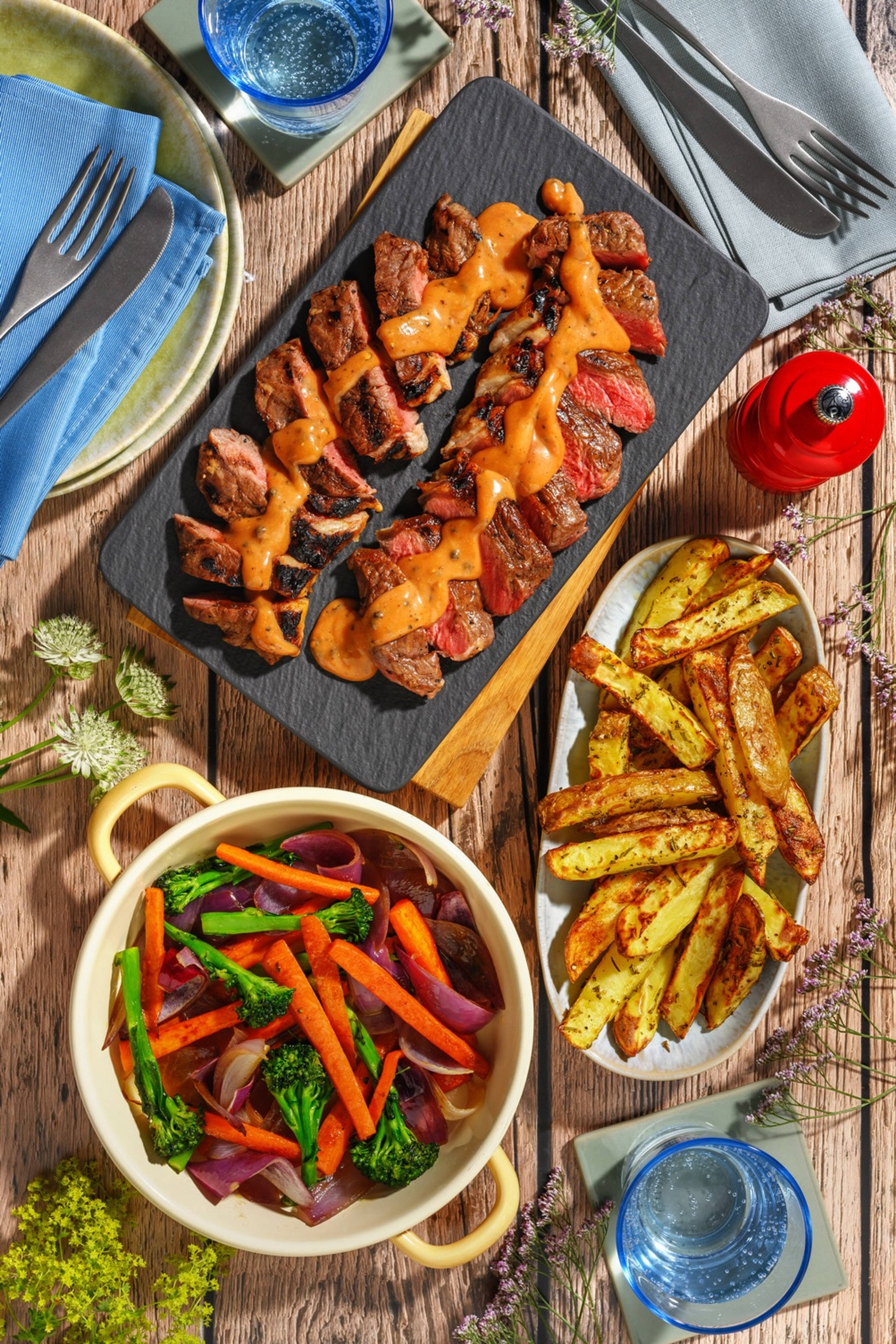
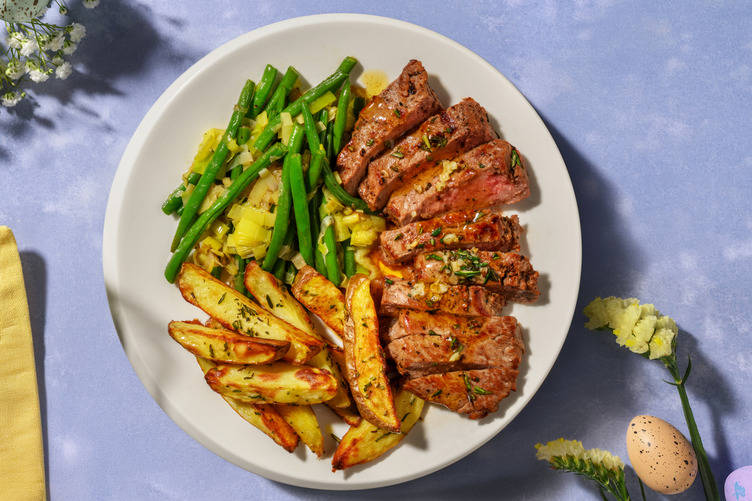
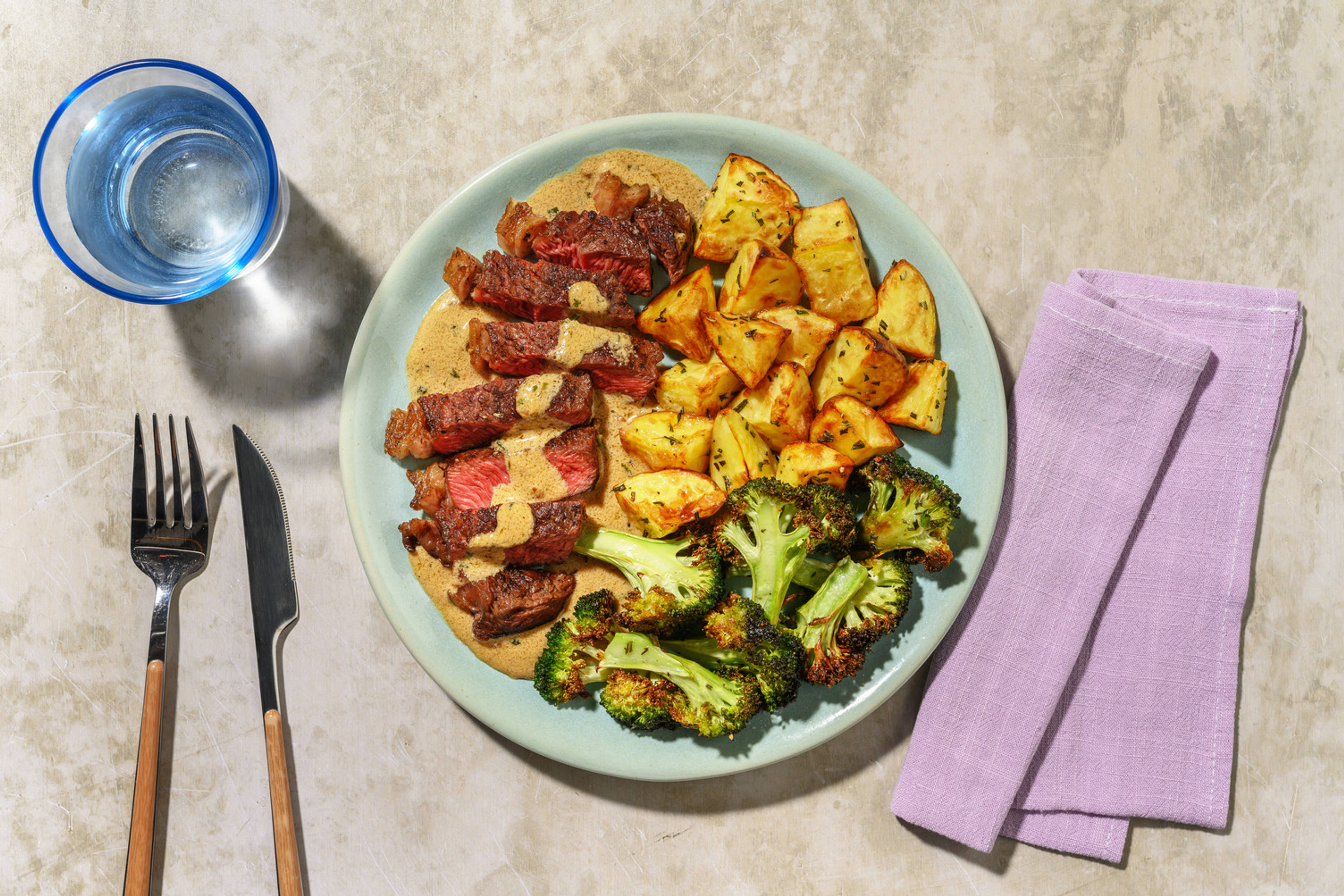
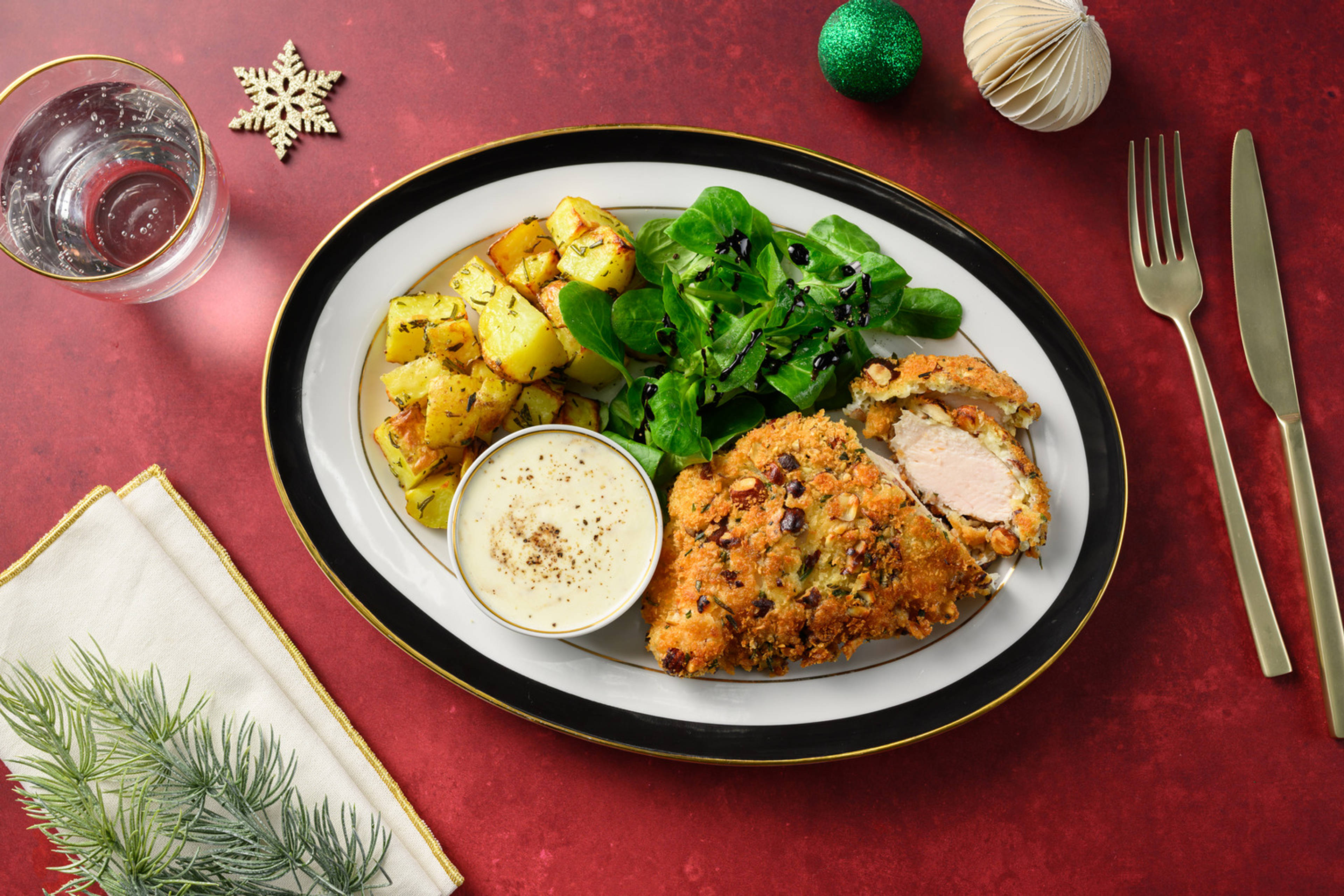
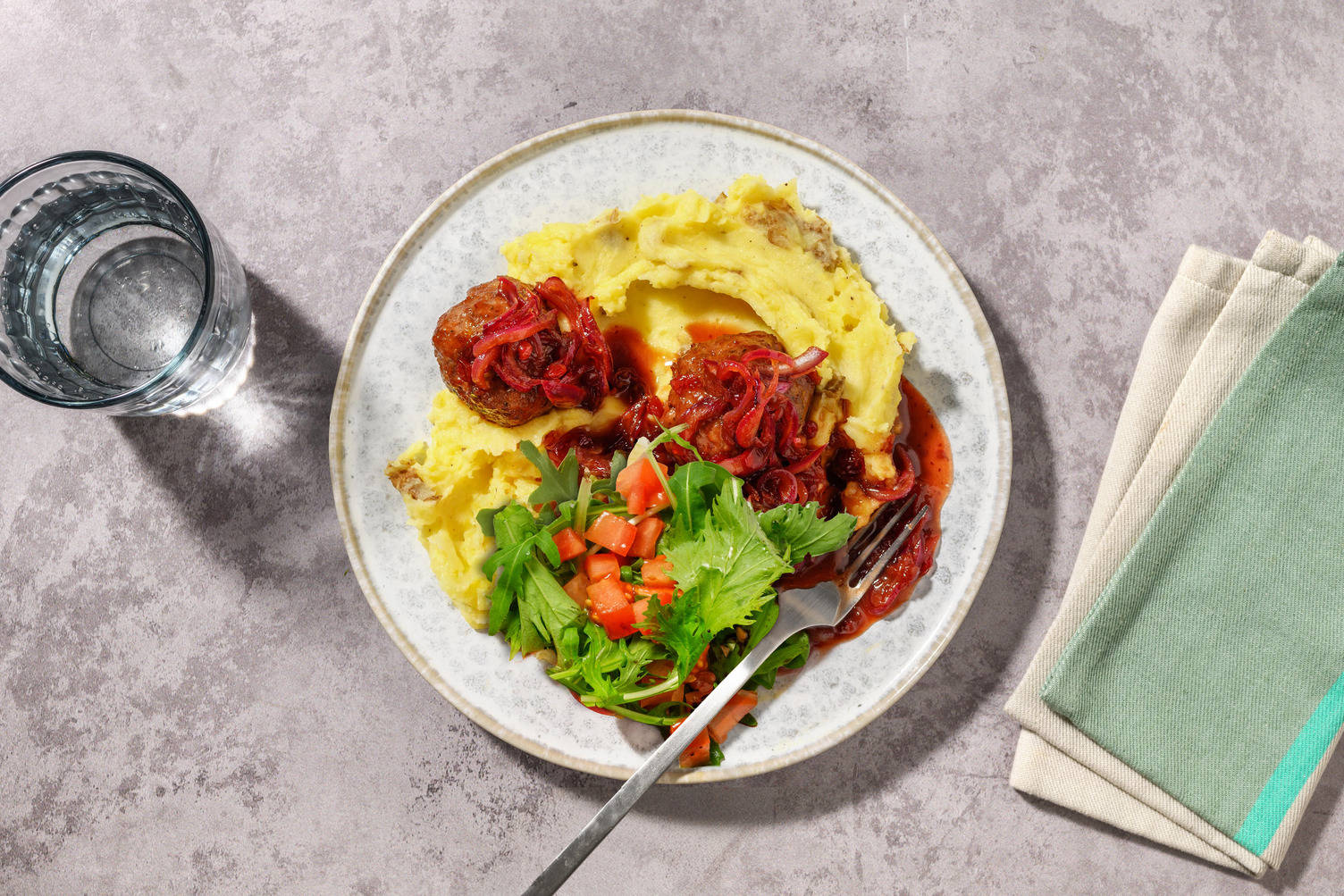
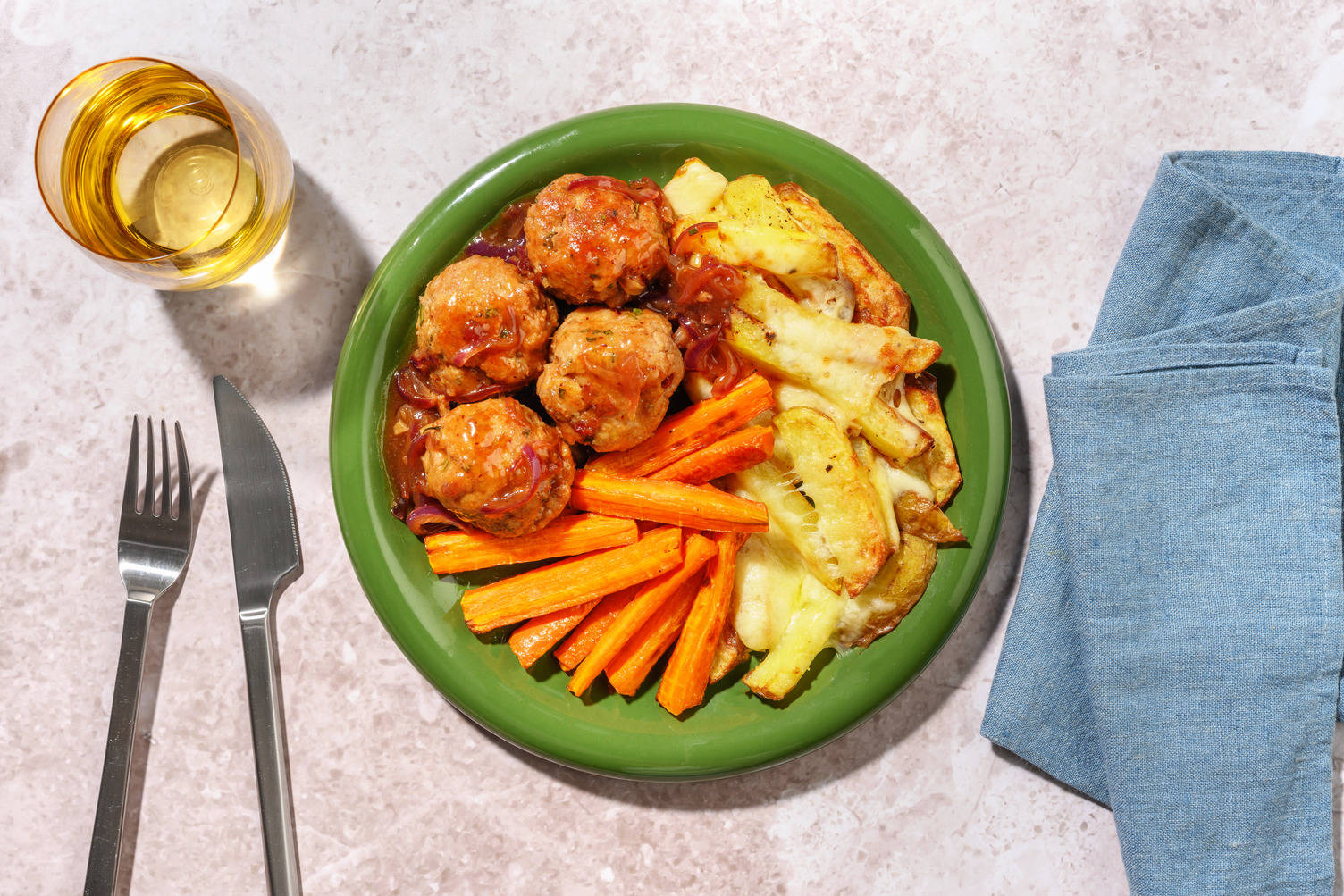
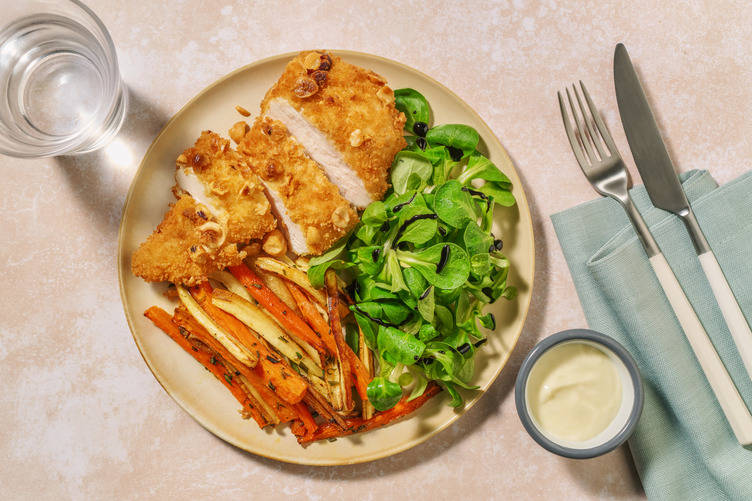
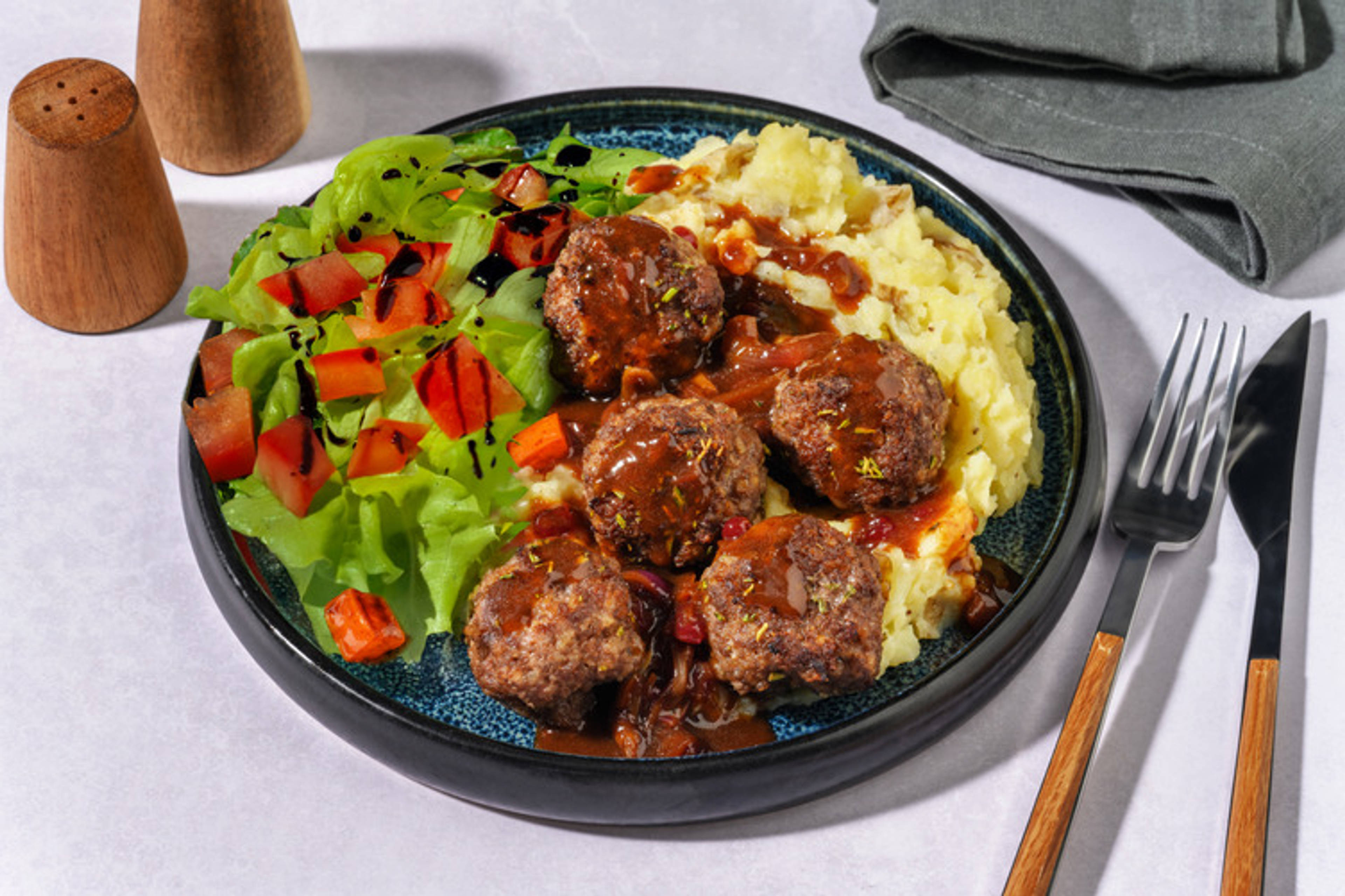
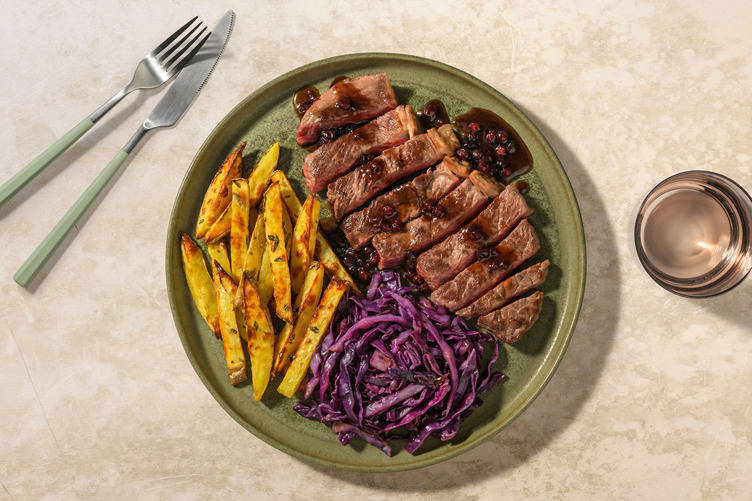
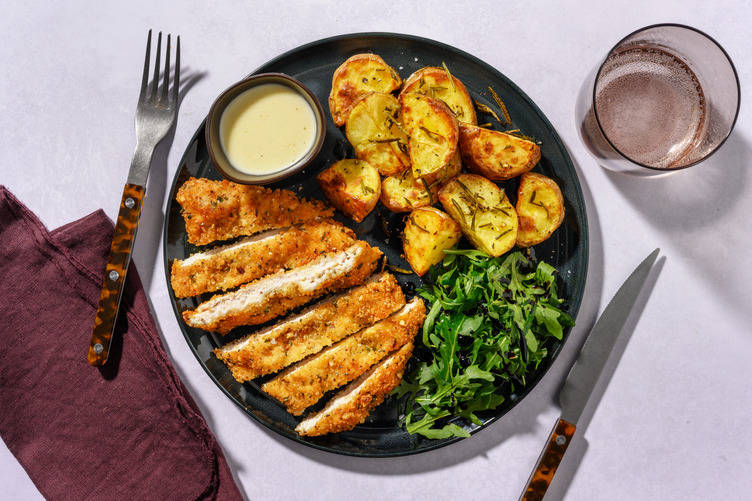
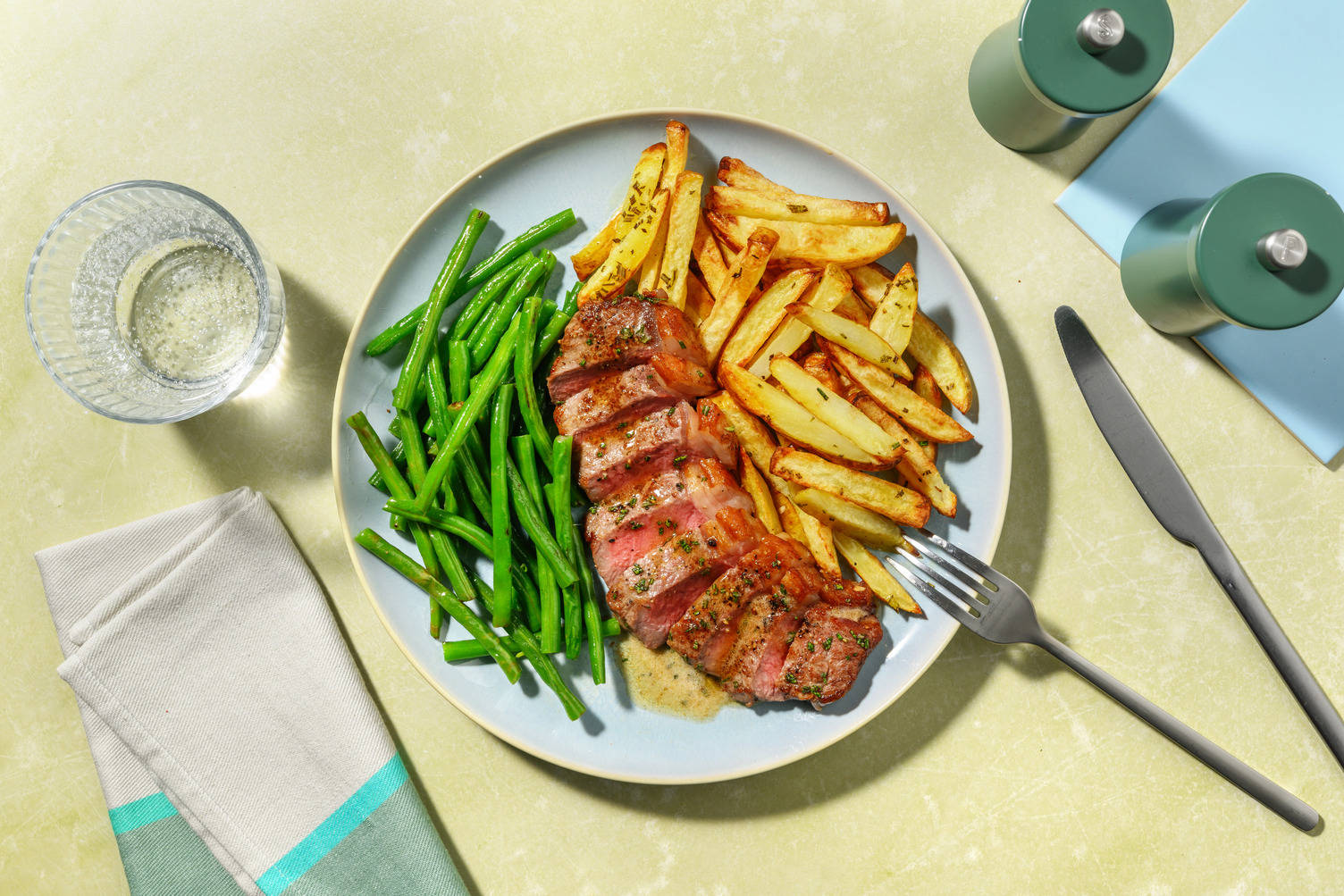
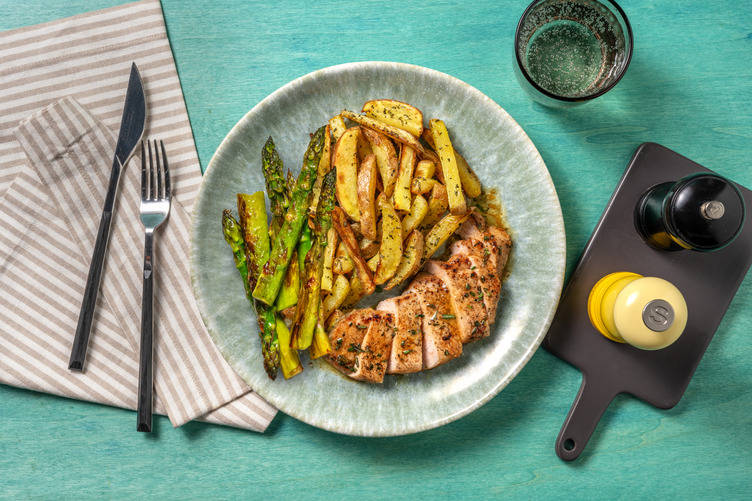
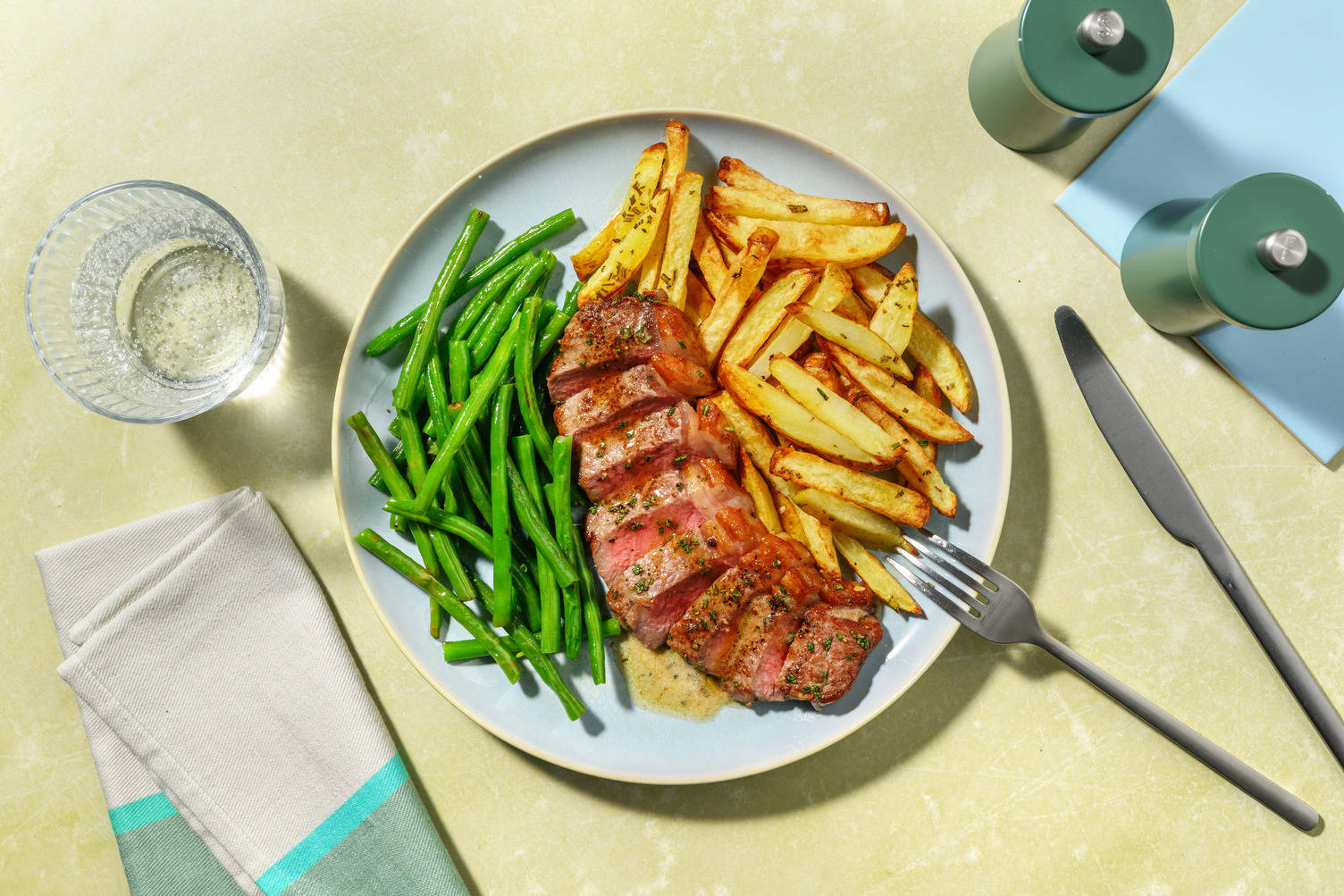
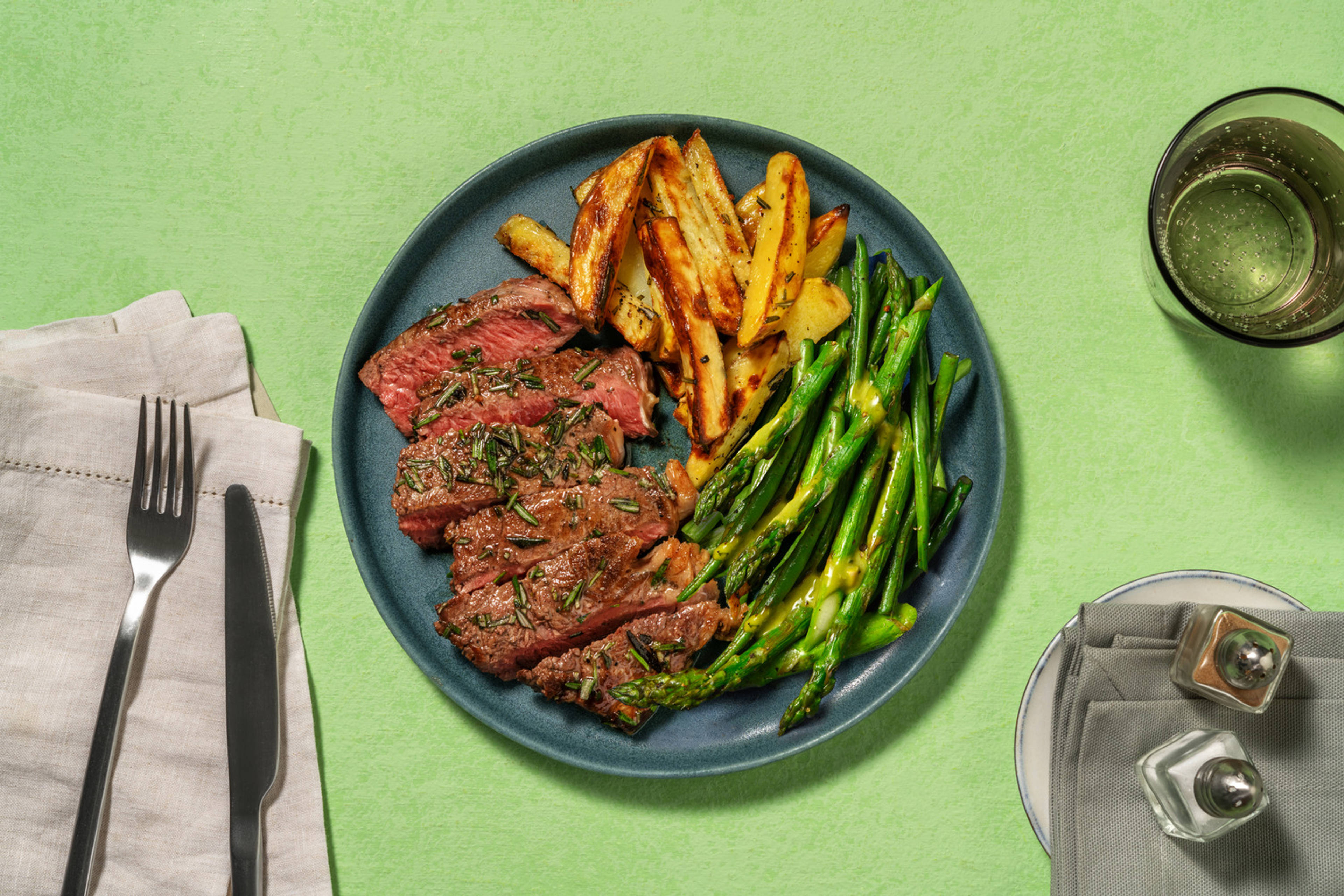
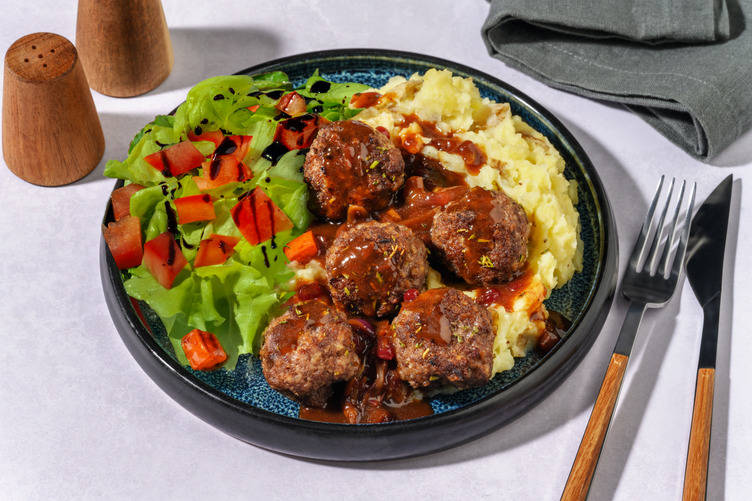
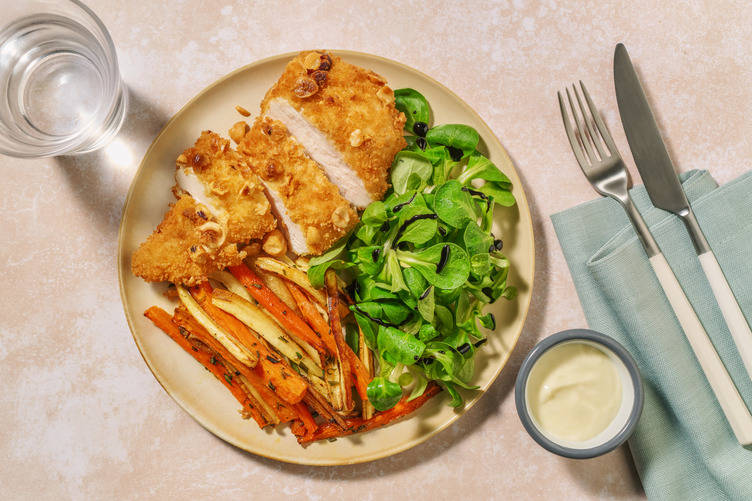
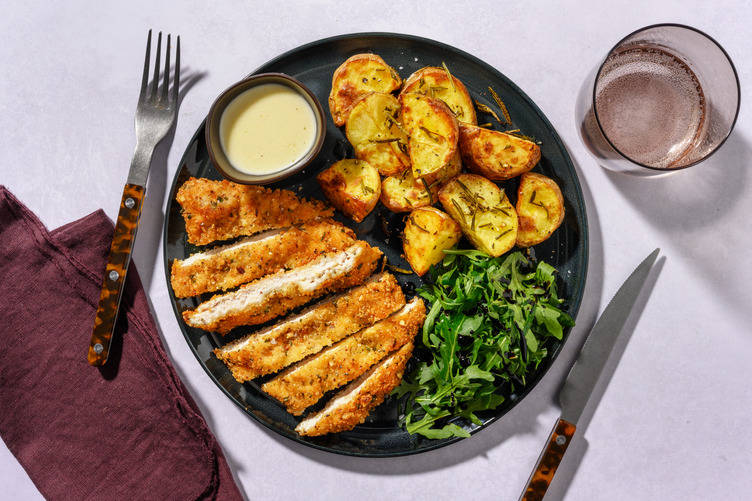
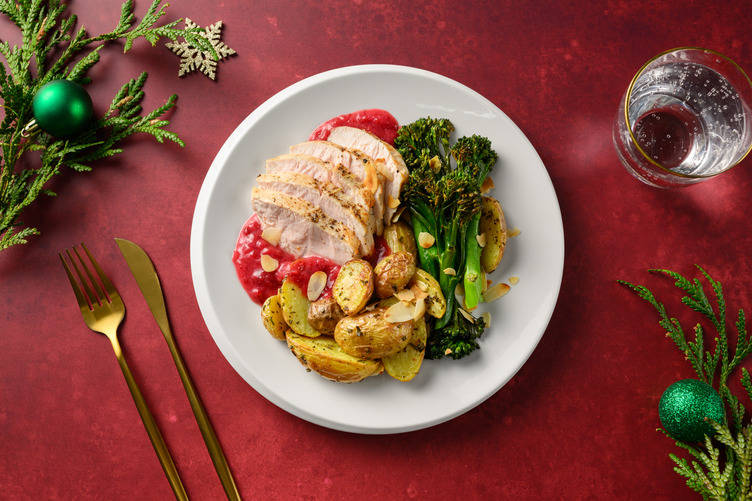
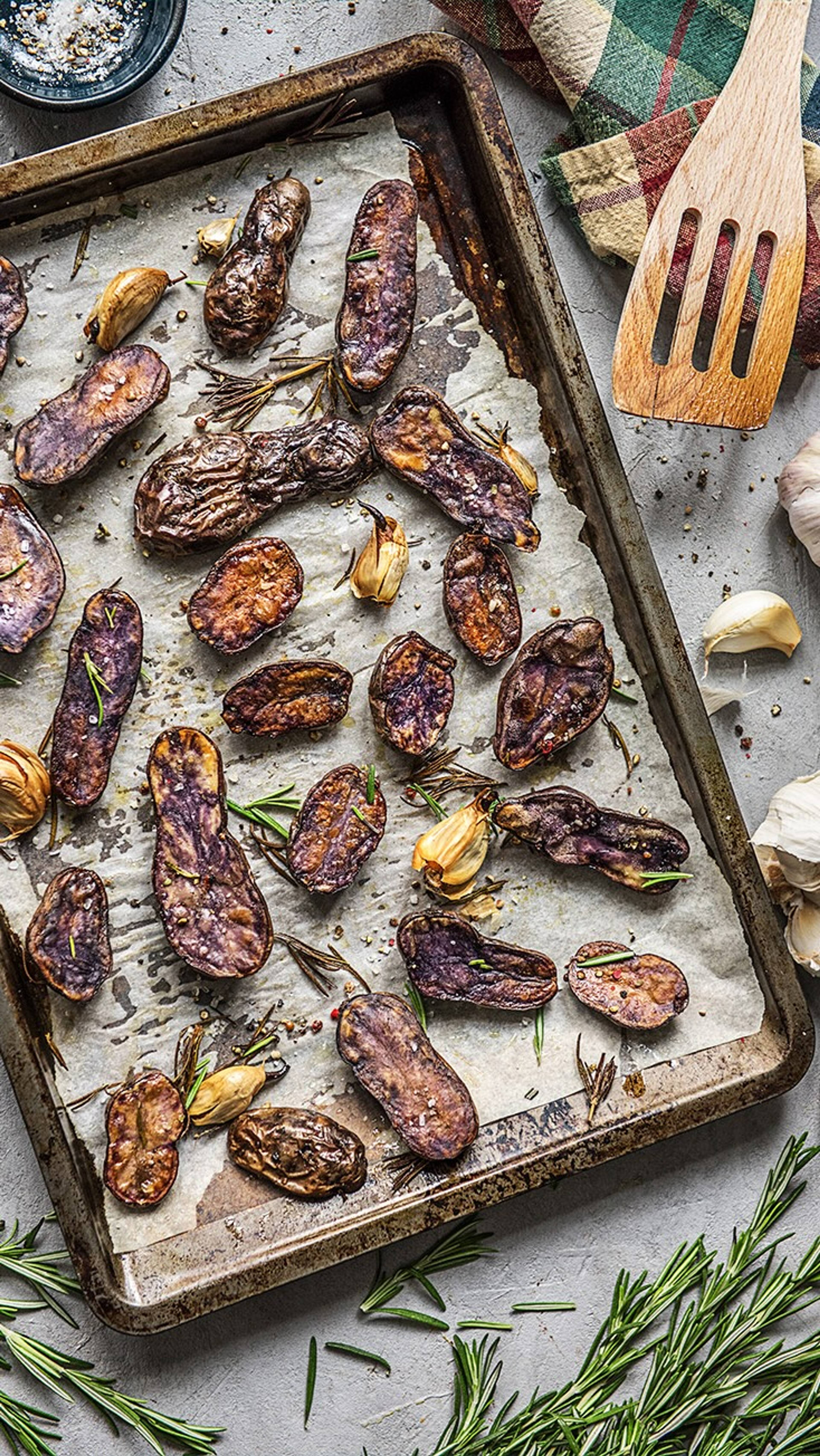
Both dried and fresh rosemary deserve a place in your kitchen. Dried rosemary is obviously a lot more convenient, so it's a handy ingredient for midweek meals. Add it to a sauce or a stew for a rich, aromatic flavour. Alternatively, use it to create a herbaceous rub for chicken breasts or cubes of pork. Dried rosemary is also a great way to perk up your favourite potato preparation. Just sprinkle some of this herb over wedges, chips, roasties or even mash for a more sophisticated, grown-up treat.
There are so many cool ways you can use fresh rosemary for a special meal. On a big occasion, use it to bring your roast lamb to chef standard. Cut tiny slits across the surface of the meat and stuff each one with a rosemary leaf and a sliver of garlic. You can also take advantage of the woody rosemary stalks. Don't eat them —they're too tough for that— but use them to add herby flavour to your cooking. Pick off the leaves and use rosemary stalks as skewers for chunks of meat, fish or prawns. Cook these skewers on the grill or the barbecue and enjoy the subtle herbiness.
If you've got fresh rosemary leaves to spare, cook them in olive oil over a gentle heat. Drizzle this rosemary oil over your favourite cuts of meat or tasty Mediterranean salads.
Remember that dried rosemary is a lot more potent than fresh. If you're substituting one for the other, then you'll usually need to use 3 teaspoons of fresh rosemary for every 1 of dried. You should also keep in mind that dried rosemary doesn't last all that long. After about a year, it will start to lose its potency. Always give it a good sniff before you use it. A musty smell is a sure sign that your dried rosemary is on the way out.